
























Surprisingly Genuine Ways for Testing The Intelligence of Your Dog


Dog intelligence testing refers to the assessment of a dog’s cognitive abilities, including their problem-solving skills, memory capacity, and learning aptitude. Engaging in intelligence testing with your dog can be a rewarding experience for both the owner and the pet.

Dog Video Magazine
Ready to Discover More About Dog Intelligence Testing with Us?
Key Takeaways
- Testing Reveals Strengths & Weaknesses: Just like humans, dogs have varied cognitive abilities. Intelligence testing helps identify your dog’s unique strengths and weaknesses, allowing you to tailor training methods for better results.
- Mental Stimulation Prevents Problem Behaviors: Engaging your dog in intelligence tests (puzzles, memory games, obstacle courses) provides crucial mental stimulation, which reduces boredom, anxiety, and destructive behaviors.
- Simple Home Tests Are Effective: You don’t need special equipment. Easy tests like the Shell Game (cups and treats), Memory Game (hiding a toy), and “Find It” (scent tracking) can effectively assess different cognitive skills.
- Results Fall Into Three Performance Levels: Dogs generally rank as high-performing (quick learners), average (moderate skills, enthusiastic), or low-performing (need slower-paced, simpler tasks). Understanding this helps set realistic training goals.
- Tailor Activities to Test Results: Use test results to guide play. High-intelligence dogs benefit from advanced commands, scent work, and puzzle toys, while lower-performing dogs need basic obedience and simple games to build confidence without frustration.
- Consistency Is Critical for Progress: Regular testing (every few weeks) helps track cognitive development, reinforces learning, and highlights areas needing extra support. A routine keeps your dog mentally sharp.
- Intelligence Play Strengthens Your Bond: The process of working through challenges together builds trust, communication, and mutual enjoyment. Celebrating small successes transforms routine play into a deeper relationship.
- Know When to Seek Professional Help: If your dog shows extreme anxiety, aggression, consistent disinterest, or fails to learn basic commands, consult a trainer or behaviorist to rule out underlying emotional or cognitive issues.
- Embrace Your Dog’s Unique Intelligence: Every dog has distinct abilities, some excel at obedience, others at scent work. Celebrating their individual traits fosters a happier, healthier, and more rewarding companionship.
Dog Intelligence Testing is a Rewarding Experience
Understanding a dog’s intellectual capabilities not only enhances the bond between them but also provides insights into their behavior and training needs.
One primary objective of testing your dog’s intelligence is to identify their unique strengths and weaknesses. Just as humans exhibit varied intelligence levels, dogs too demonstrate a range of cognitive functions.
Some breeds are inherently more intelligent, while others may excel in specific types of learning or problem-solving tasks. This realization allows dog owners to tailor their training methods, ensuring the most effective approaches for each individual dog.
The activities involved in dog intelligence testing often encompass various challenges, from basic training cues to more complex tasks requiring reasoning skills.
Common Tests for Dog Intelligence Testing
Common tests might include puzzles that require the dog to navigate obstacles to obtain treats or tasks that enhance their memory, such as hiding a treat under one of several cups. These exercises stimulate a dog’s mind, fostering mental agility and encouraging deeper engagement in their environment.
Moreover, testing your dog’s intelligence can illuminate their capacity for social interaction. Highly intelligent dogs often exhibit strong communication skills, enabling them to engage successfully with both humans and other animals.
By observing how your dog responds to intelligence tests, you can gain valuable insights into their behavior and modify your interactions accordingly, thus promoting a positive atmosphere.
In essence, engaging in intelligence testing for your dog not only serves as an entertaining activity but also enhances the owner’s understanding of their canine companion. This interaction is instrumental in fostering a fulfilling relationship built on mutual learning and respect.
What Are The Benefits from Testing Your Dog’s Intelligence?
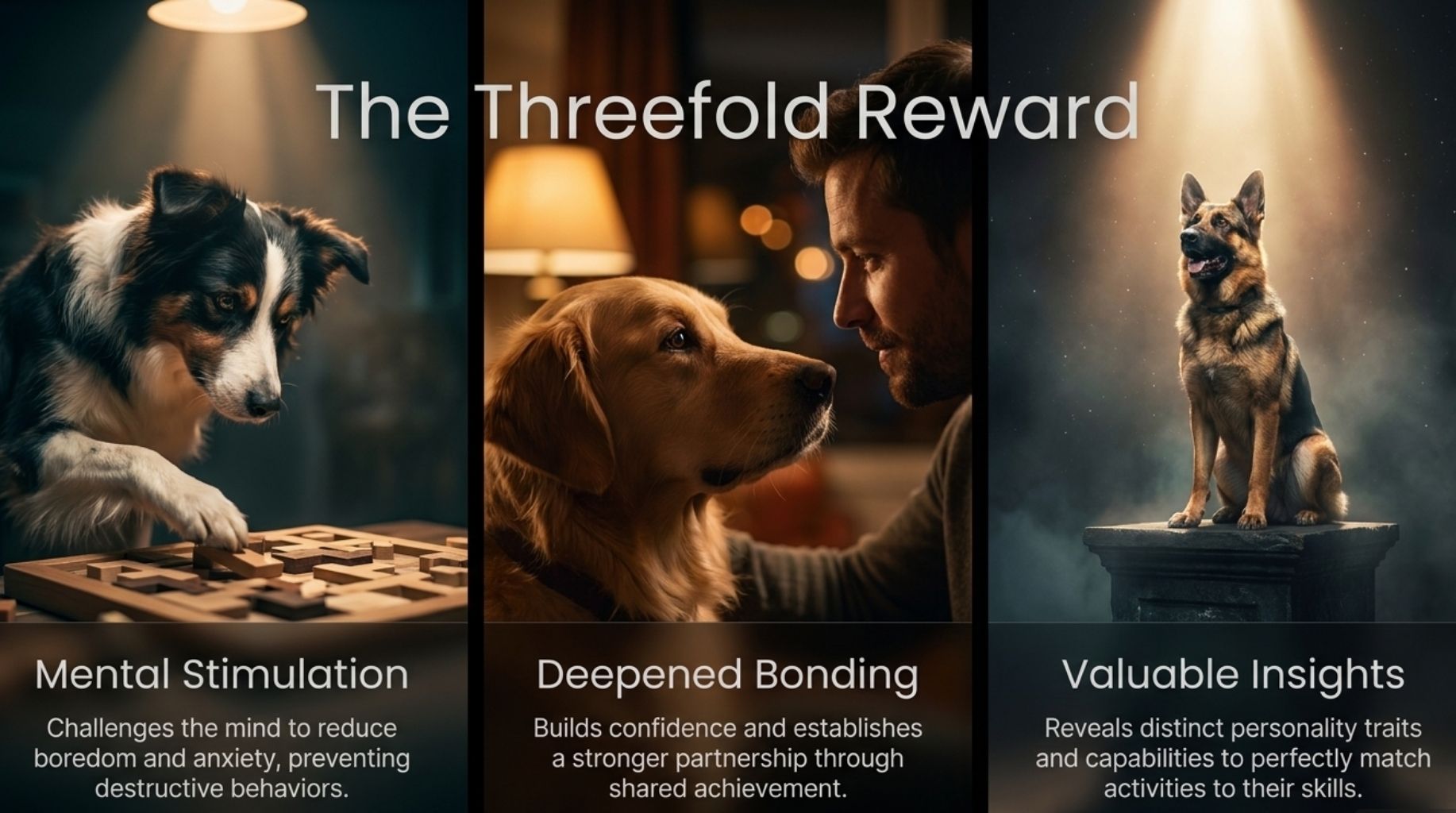
Engaging in activities that test your dog’s intelligence can provide numerous advantages that extend beyond mere entertainment. One of the primary benefits is enhanced mental stimulation. Dogs, much like humans, require challenges to keep their minds sharp.
Testing their intelligence through various activities such as puzzles, tricks, and obedience tasks, can help reduce boredom and anxiety. A mentally stimulated dog is often happier and less likely to engage in destructive behaviors.
Another significant benefit of testing your dog’s intelligence is the opportunity it provides for bonding between the dog and owner. These assessment activities can transform the time spent together into a fulfilling interaction, deepening the relationship that exists between you and your canine companion.
As dogs learn new concepts or tricks, they gain confidence, and owners can witness a different side of their pet, showcasing their unique abilities and personality traits. Such bonding activities not only enhance trust but also improve communication between the pet and owner, establishing a stronger partnership.
Moreover, testing your dog’s intelligence can offer valuable insights into your pet’s personality and capabilities. Understanding how intelligent your dog is can help tailor activities to better match their skills and interests.
For instance, if your dog excels in problem-solving tasks, you might introduce more complex puzzles or interactive games that will provide fulfilling challenges. Conversely, if your dog struggles with certain tasks, it may be beneficial to focus on simpler activities that engage them without causing frustration.
Fun and Easy Intelligence Tests You Can Do at Home
Engaging your dog in intelligence tests not only stimulates their mind but also enhances your bond. Discover few fun and simple tests that you can perform at home with minimal materials required. These intelligence tests serve as entertaining activities that provide mental stimulation for your dog. Remember to keep the atmosphere light and positive, as this encourages your dog to engage and enjoy the process. Through these fun activities, you might uncover unique talents and traits in your furry friend.
4 Tests for Dog Intelligence Testing
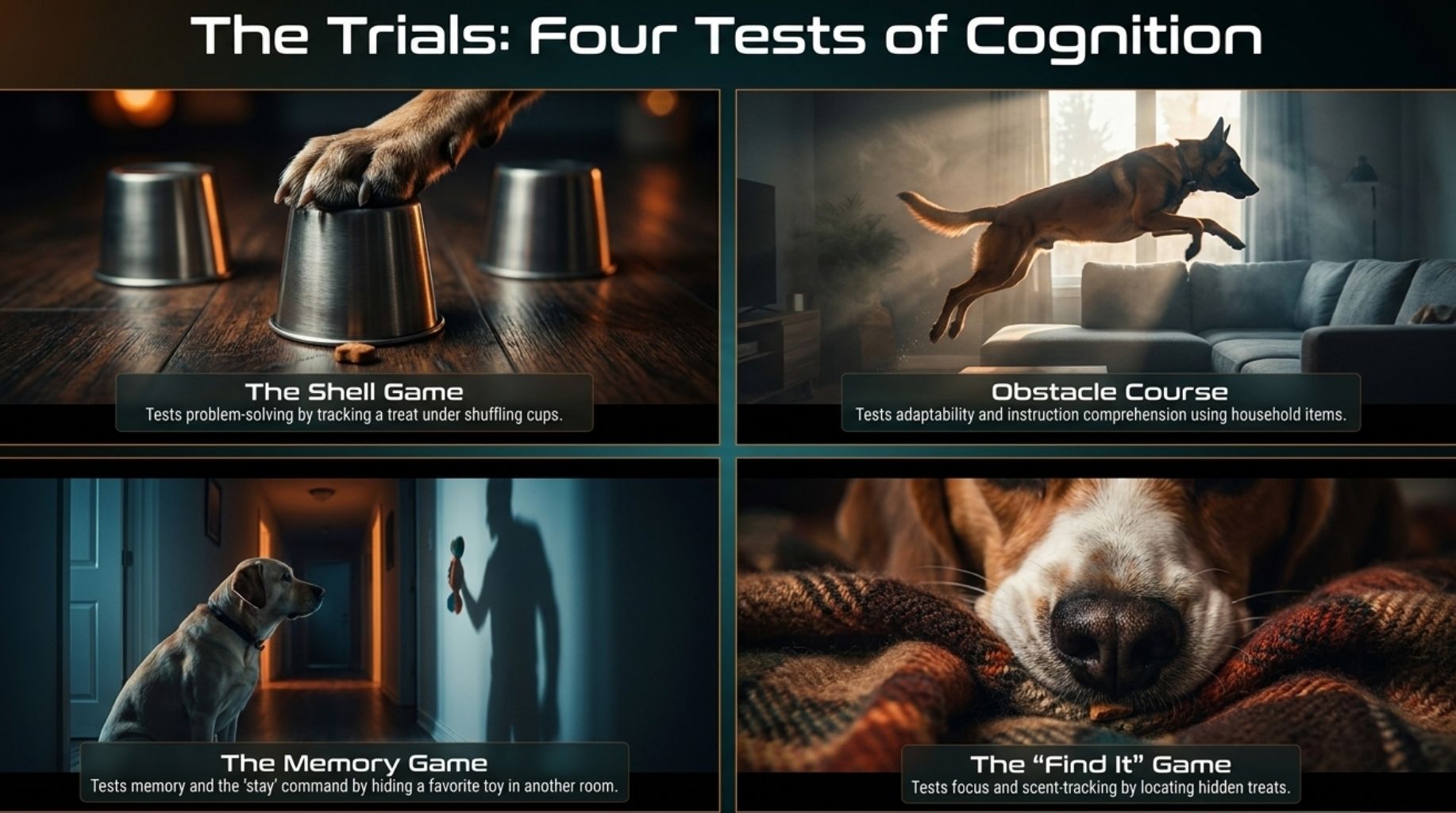
- 1. The Shell Game: This classic game tests your dog’s problem-solving abilities. All you need are three cups and a treat. Start by placing a treat under one of the cups. Shuffle the cups around while your dog watches. Once you stop, encourage your dog to choose a cup by pawing or nudging it. Reward them with the treat if they guess correctly. This game can be adjusted in difficulty by increasing the speed of shuffling or using more cups.
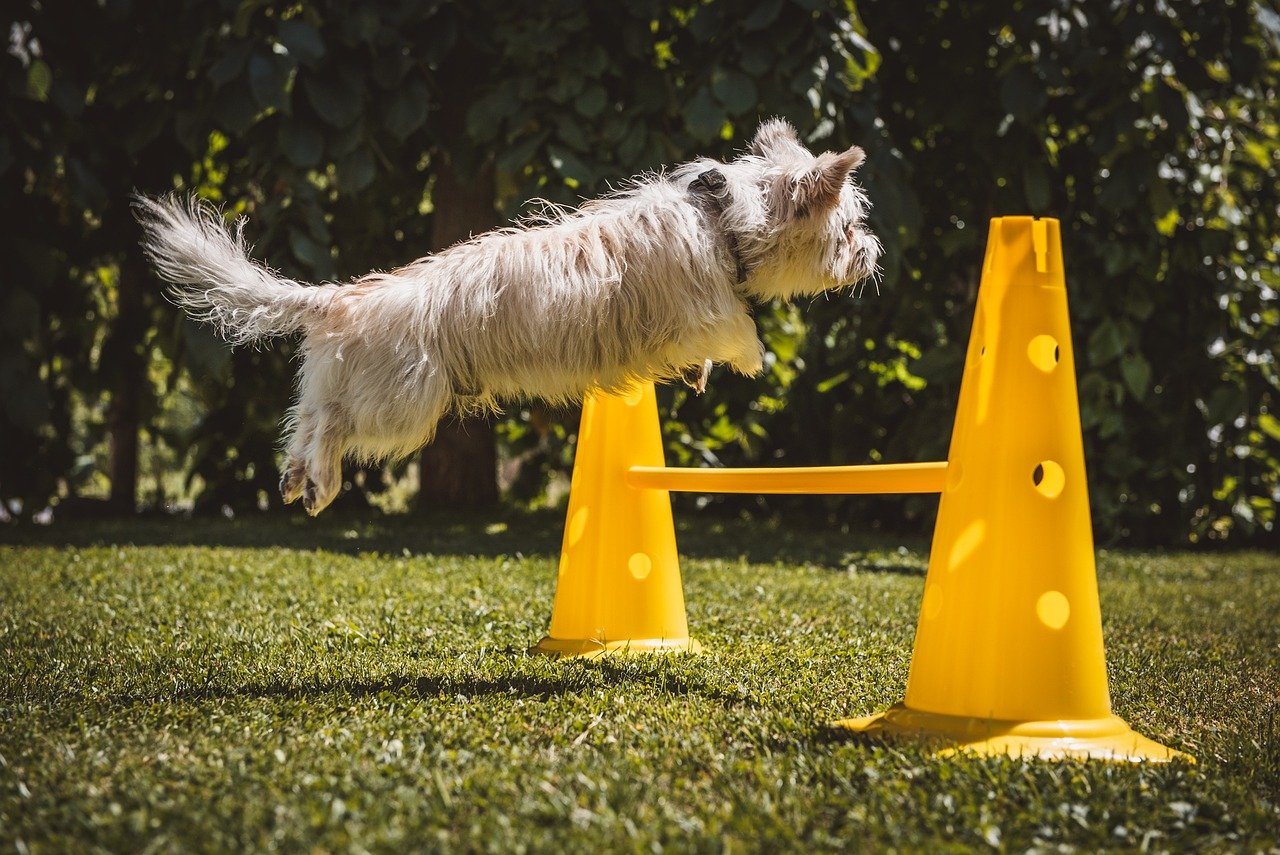
- 2. Obstacle Course: Create an indoor or outdoor obstacle course for your dog. Use furniture, toys, or any safe household items. Guide your dog through the course using commands and treats. Observe how quickly they navigate the challenges, which indicates their ability to understand instructions and adapt to varying tasks. This activity also adds a fun physical element.
- 3. The Memory Game: Test your dog’s memory skills by asking them to stay in one room while you hide a favorite toy in another. Once hidden, call your dog to find it. This exercise not only sharpens their memory but also reinforces the stay command. Repeat this exercise while gradually increasing the complexity of the hiding spots.
- 4. The “Find It” Game: In this game, you can teach your dog to search for hidden treats. Begin by showing your dog a treat and allowing them to sniff it before placing it under a blanket or behind furniture. Encourage them with the command “find it” to initiate the search. This test emphasizes their scent-tracking abilities and enhances focus.
Understanding Your Dog’s Results: What They Mean?
Analyzing the results of your dog’s intelligence tests can provide valuable insights into their cognitive abilities. Each performance level can be categorized into several groups, allowing you to assess your dog’s intelligence compared to others.
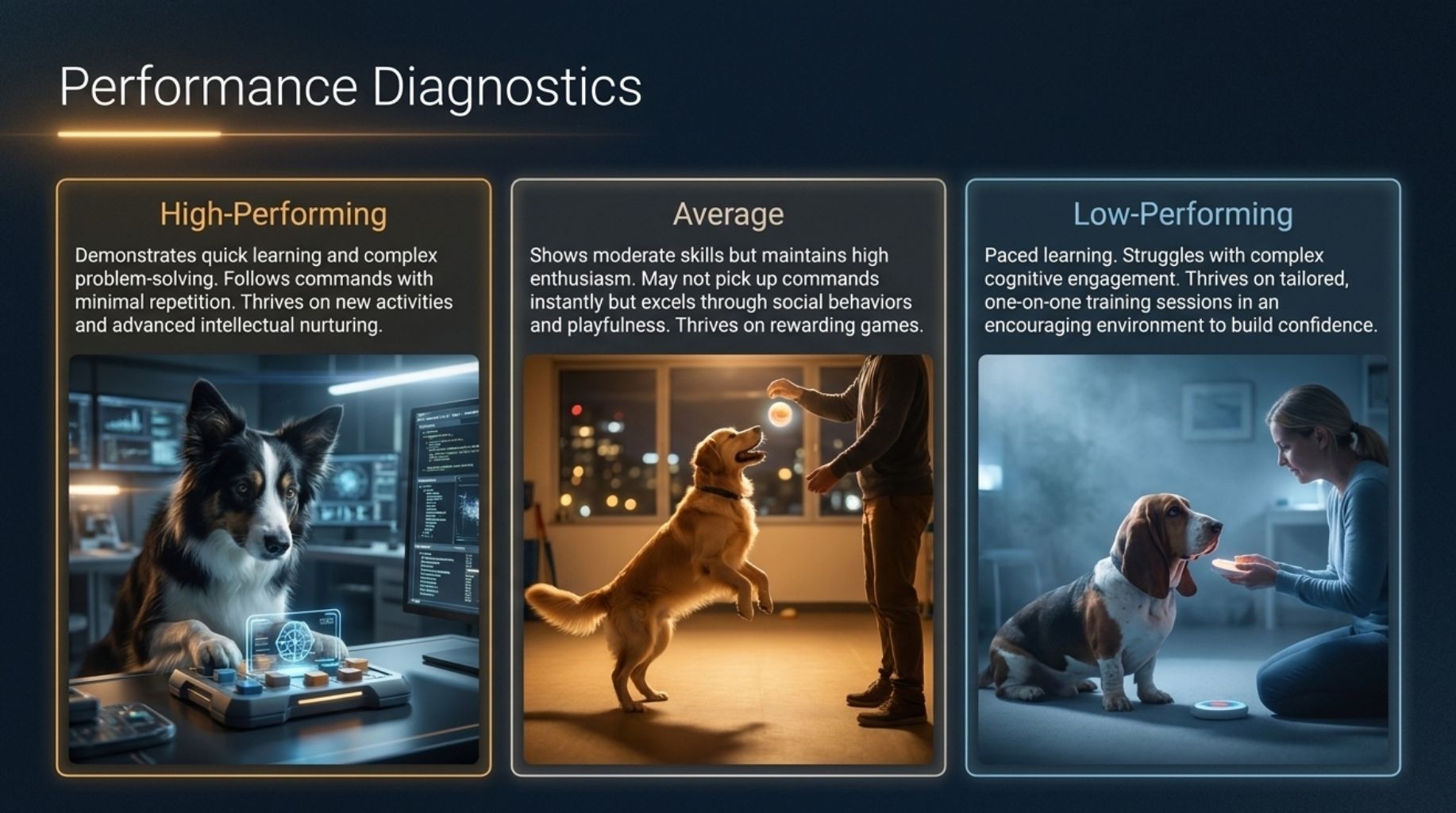
Understanding these levels is crucial for determining where your dog excels and which areas may need improvement. In general, dogs are classified into three main performance levels: high-performing, average, and low-performing.
Dogs that demonstrate quick learning, problem-solving skills, and the ability to follow commands with minimal repetition typically fall into the high-performing category. These dogs often exhibit a strong connection with their owners and a keen interest in engaging with training exercises.
Owners of high-performing dogs can build on this strength by introducing new activities, thereby nurturing their dog’s intellectual capabilities further. On the other hand, average-performing dogs may show moderate skills in learning and executing tasks. Though they might not pick up commands as quickly, these dogs often maintain enthusiasm for training.
Recognizing their strengths, such as social behaviors or playfulness, can offer new avenues for learning. Engaging these dogs in mentally stimulating games or offering rewards during training can enhance their skills.
Lastly, low-performing dogs may struggle with tasks that require more cognitive engagement. These dogs might benefit from one-on-one training sessions that are tailored to their learning pace. By understanding their unique needs, you can help them develop their intelligence in an encouraging environment.
Regardless of your dog’s performance level, assessing their results can aid in setting realistic goals for improvement and ensuring a fulfilling and stimulating environment for growth. This understanding allows you to celebrate your dog’s achievements while remaining aware of areas that may need more focus and development.
Stimulating Your Dog Based on Intelligence Testing Results
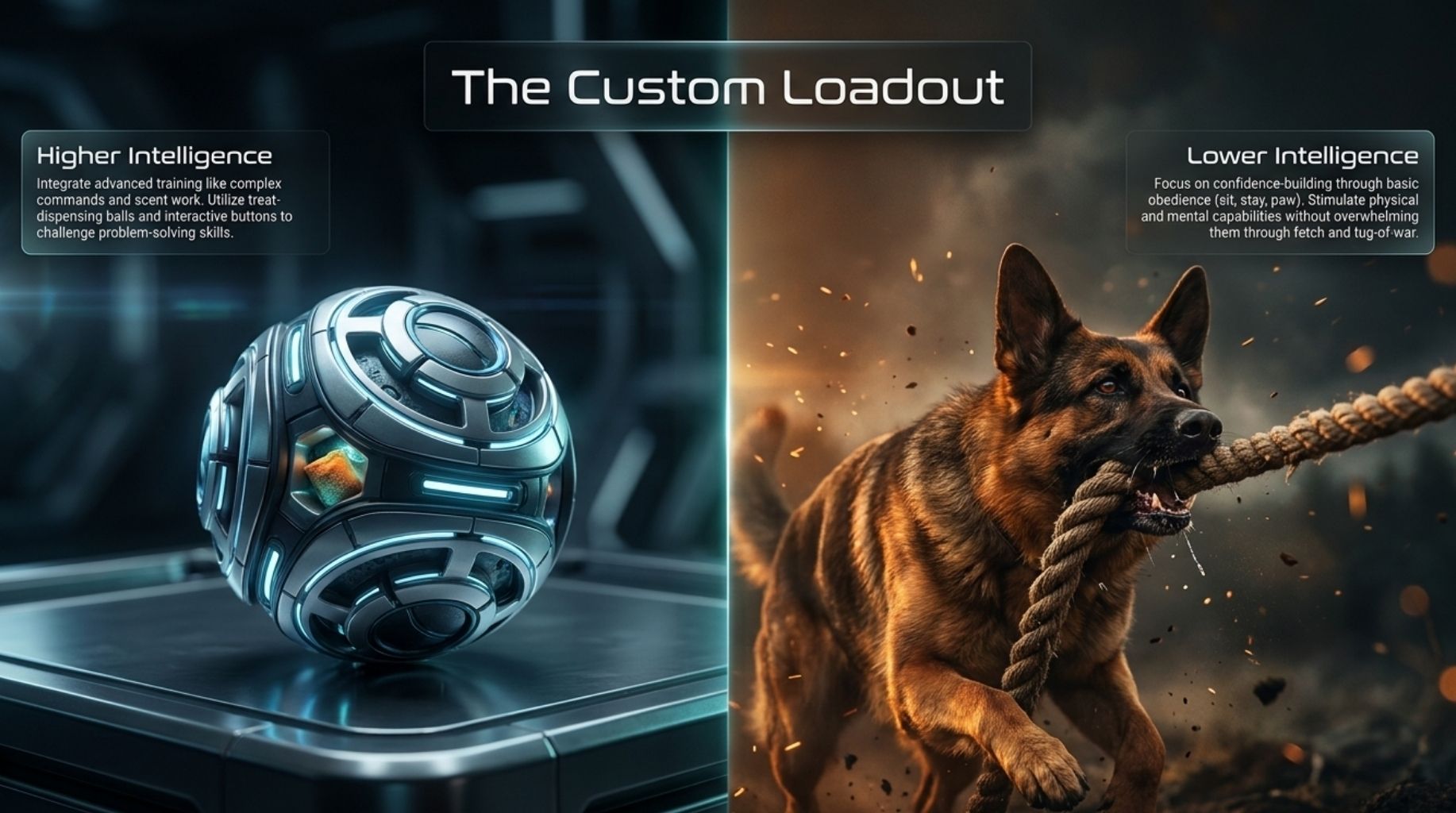
Once you have determined your dog’s intelligence level through a suitable testing method, it is essential to tailor activities that correspond with that evaluation. Engaging your dog based on their specific intelligence results will enrich their daily routine and enhance their overall well-being.
For dogs who demonstrate higher intelligence, consider integrating advanced training exercises into their schedule. This may involve teaching them complex commands or engaging in scent work, where your dog learns to use their powerful sense of smell to locate hidden objects.
Puzzle toys that challenge their problem-solving skills can also be an excellent way to keep their minds sharp. Examples of such toys include treat-dispensing balls or interactive games that require your dog to push buttons or slide pieces to achieve a reward. Conversely, if your dog’s intelligence level seems to be on the lower end, simpler tasks can be advantageous.
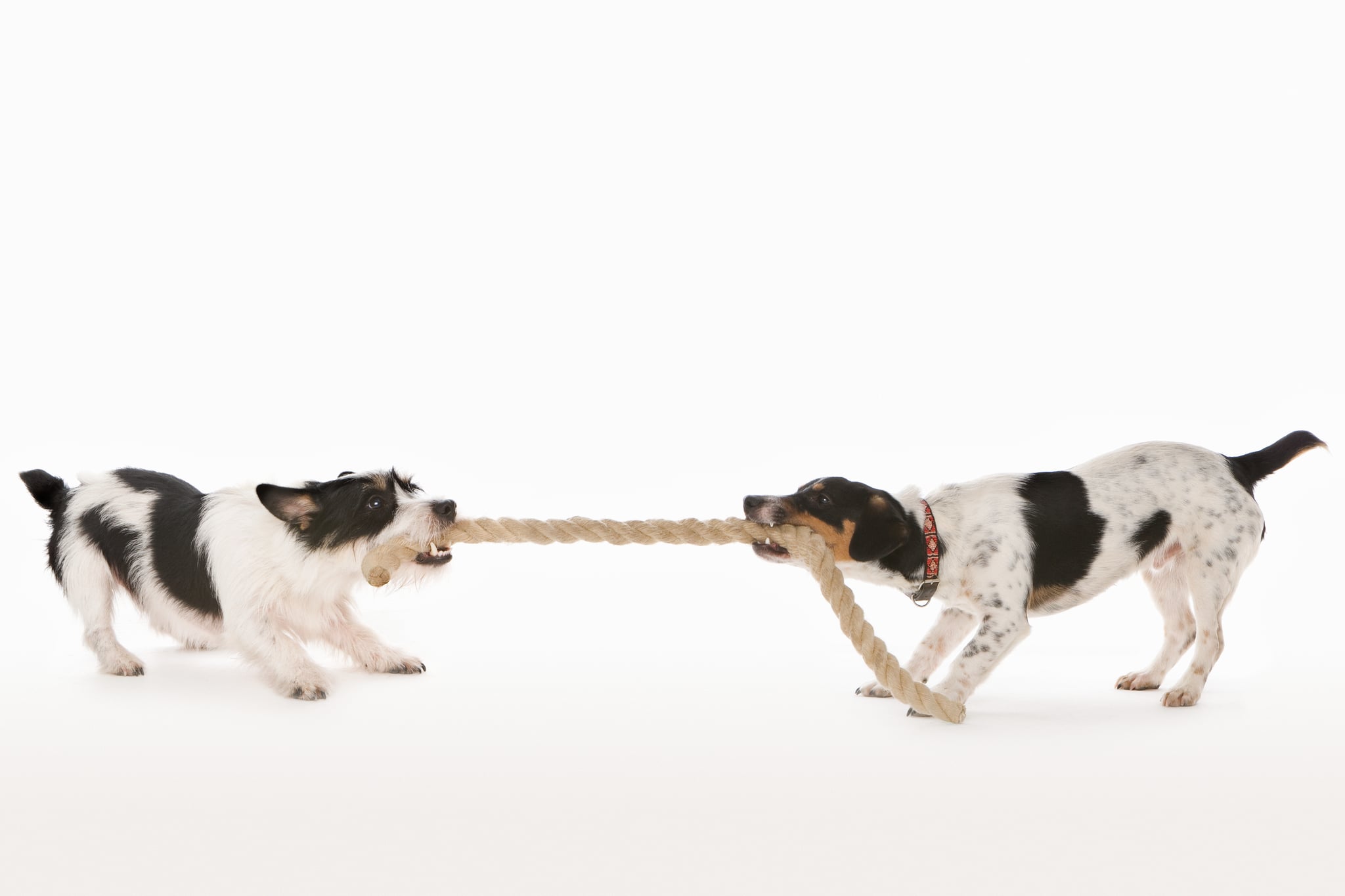
Engaging in basic obedience training, such as sit, stay, and paw, can foster a sense of accomplishment, and gradual progression will boost their confidence. Games like fetch or tug-of-war are also effective in stimulating both their physical and mental capabilities without overwhelming them.
Regardless of their intelligence level, incorporating bonding activities can foster a deeper connection between you and your dog. Consistent interactions, such as regular play sessions or short training routines, can significantly improve your dog’s happiness and cognitive abilities. Additionally, incorporating varied environments and challenges will sustain their interest and motivate them to learn.
Ultimately, tailoring activities based on your dog’s intelligence not only makes training more effective but also allows for a more enjoyable experience for both you and your pet. By understanding their unique strengths and preferences, you can create fulfilling and stimulating routines that cater to their individual needs.
The Importance of Consistency in Testing
When it comes to assessing your dog’s intelligence, consistency plays a critical role. Regular testing provides a framework for monitoring cognitive development and adaptability, enabling dog owners to understand their pets’ learning capabilities and behavior patterns.
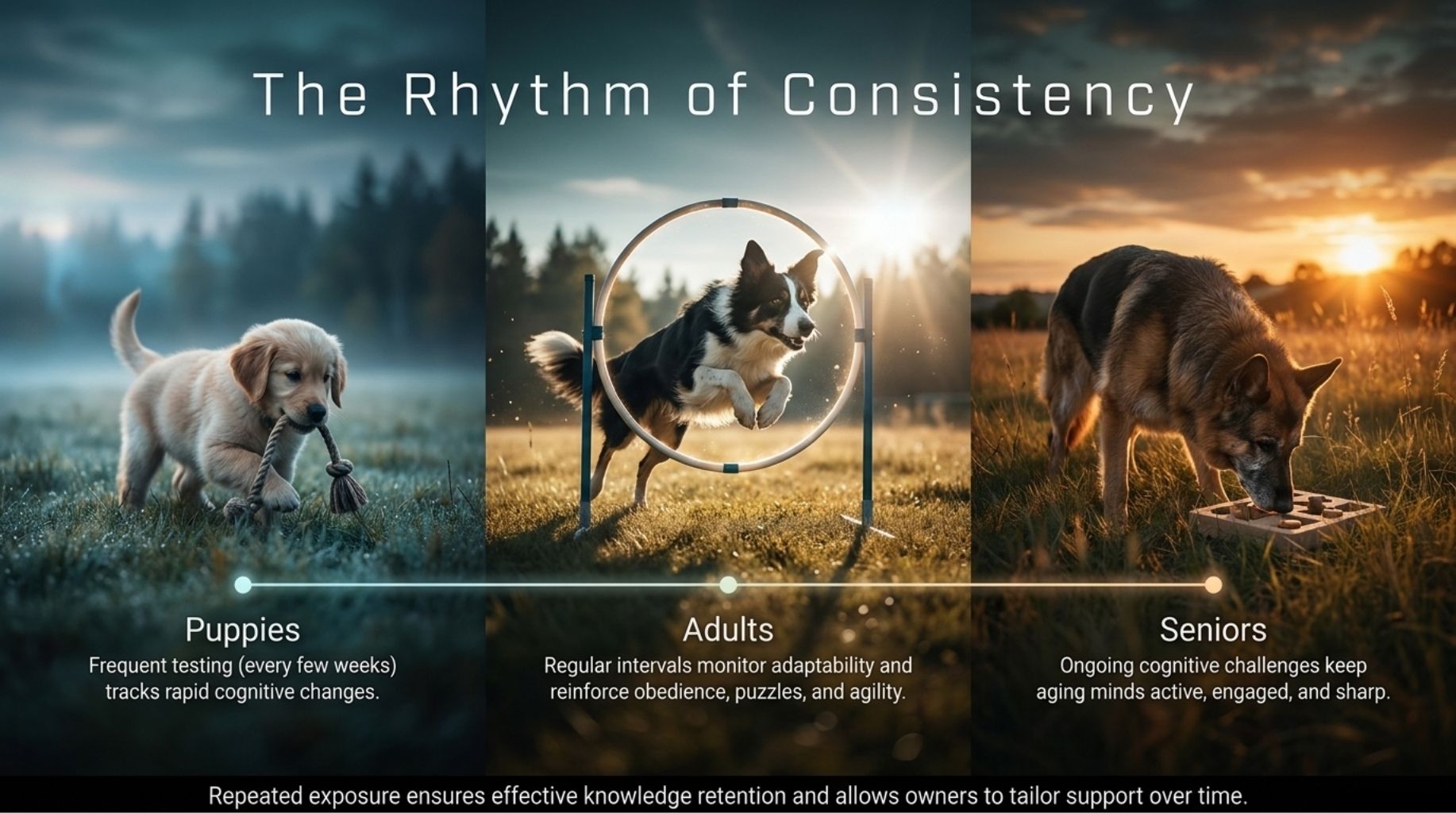
Engaging with your dog in intelligence testing activities not only supports their mental stimulation but also fosters a stronger bond between you and your furry friend. To maintain consistency, it is advisable to perform intelligence tests at regular intervals. Depending on your dog’s age and activity level, testing every few weeks can be beneficial.
Younger dogs may show more rapid changes in their intelligence and learning, necessitating more frequent assessments. In contrast, older dogs may benefit from ongoing cognitive challenges to keep their minds active and engaged. Incorporating a variety of activities can complement these assessments effectively.
Training sessions that focus on obedience commands, puzzle toys, and agility courses are excellent methods to provide consistent challenges for your dog. Each of these activities tests different aspects of intelligence, such as problem-solving skills, memory, and adaptability. Furthermore, offering rewards for successful completion or showing improved performance can motivate your dog and encourage ongoing participation.
Consistency in testing not only helps gauge your dog’s intelligence but also highlights areas where they may need additional support or training. Engaging in regular assessments allows you to track progress over time, thus enabling you to tailor your training methods to better suit your pet’s needs.
Moreover, it reinforces learning, as repeated exposure to intelligence-testing activities leads to more effective knowledge retention in dogs. By establishing a routine of consistent intelligence testing, owners can ensure their canine companions remain mentally sharp and well stimulated.

Creating a Bond Through Intelligence Play
Engaging your dog in intelligence testing activities is not only a means to assess their cognitive skills but also a spectacular way to strengthen the bond between you and your furry companion.
Shared experiences often foster deeper connections, and when both owner and dog participate in stimulating challenges, it nurtures trust, understanding, and mutual enjoyment. Consider a scenario where you introduce puzzle toys to your dog. As they work to figure out how to extract treats from these toys, you’re there to encourage and cheer them on.
Your presence serves as a reassurance to your dog, reinforcing the idea that together, you can tackle challenges. These moments can significantly enhance your relationship, transforming routine home activities into exciting ventures that spark joy and enthusiasm. Anecdotal evidence from dog enthusiasts often highlights that the process of participating in intelligence tests can lead to memorable experiences.
For instance, one dog owner reported that after successfully teaching her dog to navigate through a series of obstacle courses, her dog seemed more attuned to her commands outside of playtime. This improvement illustrated not just the dog’s intelligence progression but also the strengthened bond built through collaborative fun.
Cognitive activities, such as hiding treats around the house or teaching an array of tricks, promote a cooperative environment where both owner and dog celebrate achievements, no matter how small.
Celebrating these moments, through praise or treats, encourages your dog to enjoy the process, which is crucial for building a lasting, affectionate relationship based on camaraderie. Ultimately, intelligence play is an enriching way to cultivate a stronger bond with your dog, providing an opportunity for shared learning experiences that enhance your relationship over time.
When to Seek Professional Help?
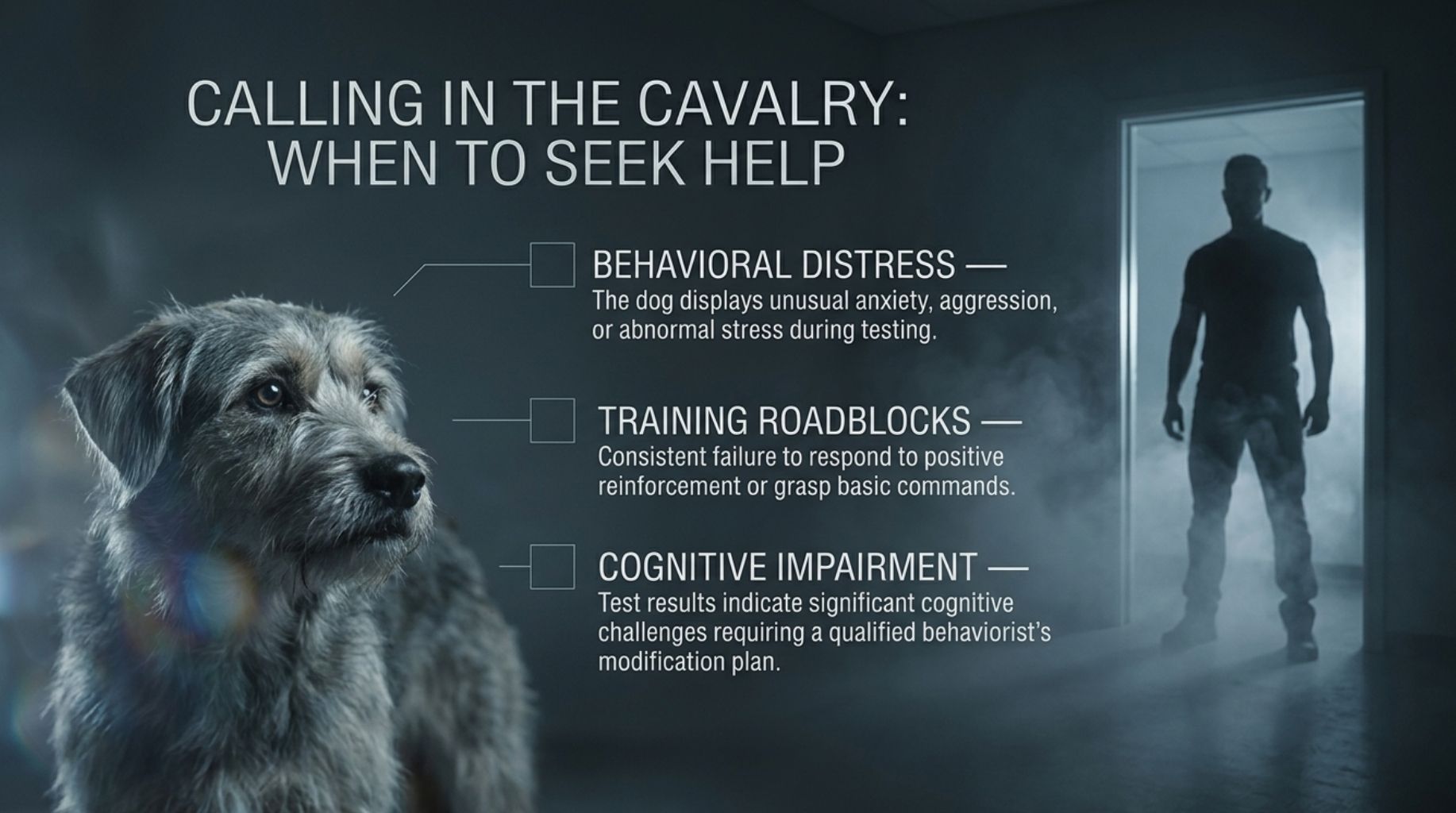
Determining your dog’s intelligence can be a fun and engaging process; however, there are instances where the results may raise some concerns or questions. In such cases, seeking professional help from a dog trainer or behaviorist can be highly beneficial.
One scenario where professional guidance is advisable is when your dog displays signs of behavioral issues during intelligence testing. If your dog becomes overly anxious, aggressive, or disinterested in the tasks set during these tests, it may indicate underlying issues that require expert intervention.
Additionally, if your dog consistently struggles with learning basic commands or fails to respond to positive reinforcement techniques, this may signal a need for a trained professional. It can be challenging for owners to decipher whether these difficulties arise from lack of intelligence, motivational issues, or other factors.
A skilled dog trainer can assess the situation, identify the root cause of the problem, and provide tailored strategies to improve your dog’s learning and behavior. Another scenario that warrants professional input is when test results indicate a significant cognitive impairment or abnormal behavior patterns that are concerning.
Some dogs may demonstrate unusual levels of stress or fear during intelligence evaluations, which could suggest emotional or psychological challenges. In such cases, consulting with a qualified behaviorist is crucial, as they can develop an appropriate behavioral modification plan to ensure your dog’s well-being.
In essence, while testing your dog’s intelligence can be an enriching experience, it is imperative to recognize when to involve professionals. By doing so, you not only address specific concerns effectively but also enhance your dog’s overall developmental needs.

Final Thoughts: Embracing Your Dog’s Unique Intelligence
Understanding and appreciating your dog’s unique intelligence plays a vital role in fostering a strong bond between you and your canine companion. Every dog possesses distinct cognitive abilities that can manifest in various forms, from problem-solving skills to instinctual behavior.
By taking the time to engage with your dog through intelligence tests and interactive activities, you are not only enhancing their mental agility but also enhancing your relationship. Recognizing your dog’s intelligence can lead to a deeper appreciation for their individuality. Each breed exhibits different strengths and weaknesses in terms of learning and behavior, which means that intelligence is not a one-size-fits-all concept.
For instance, some dogs may excel in tasks that require obedience and responsiveness, while others might shine in scent detection or playful activities. Embracing these unique traits can turn routine interactions into meaningful experiences. Moreover, consistently exploring your dog’s abilities encourages mental stimulation, which is crucial for their overall well-being.
Engaging your dog in intelligence testing or puzzle-solving not only makes playtime more exciting but also aids in preventing behavioral issues that can arise from boredom. Remember, a mentally stimulated dog is often a happier and healthier dog. As dog owners, celebrating your dog’s unique intelligence should be a joyful endeavor.
By fostering an environment that promotes learning and growth, you are contributing positively to your dog’s life. So, take the time to appreciate and explore your dog’s capabilities, making each moment spent together more rewarding. Ultimately, the journey of understanding your dog’s intelligence is not just about the tests; it’s about the joy and companionship you share along the way.

Frequently Asked Questions