























Keeping Your Pup Pest-Free: Guide to Flea and Tick Control for Dogs


The Challenge of Flea and Tick Control for Dogs
Fleas and ticks pose significant concerns for dog owners, particularly those whose pets enjoy outdoor activities. These parasitic pests not only disrupt the comfort of our canine companions but also present serious health risks. Learn how to prevent these parasites with flea and tick control for dogs!
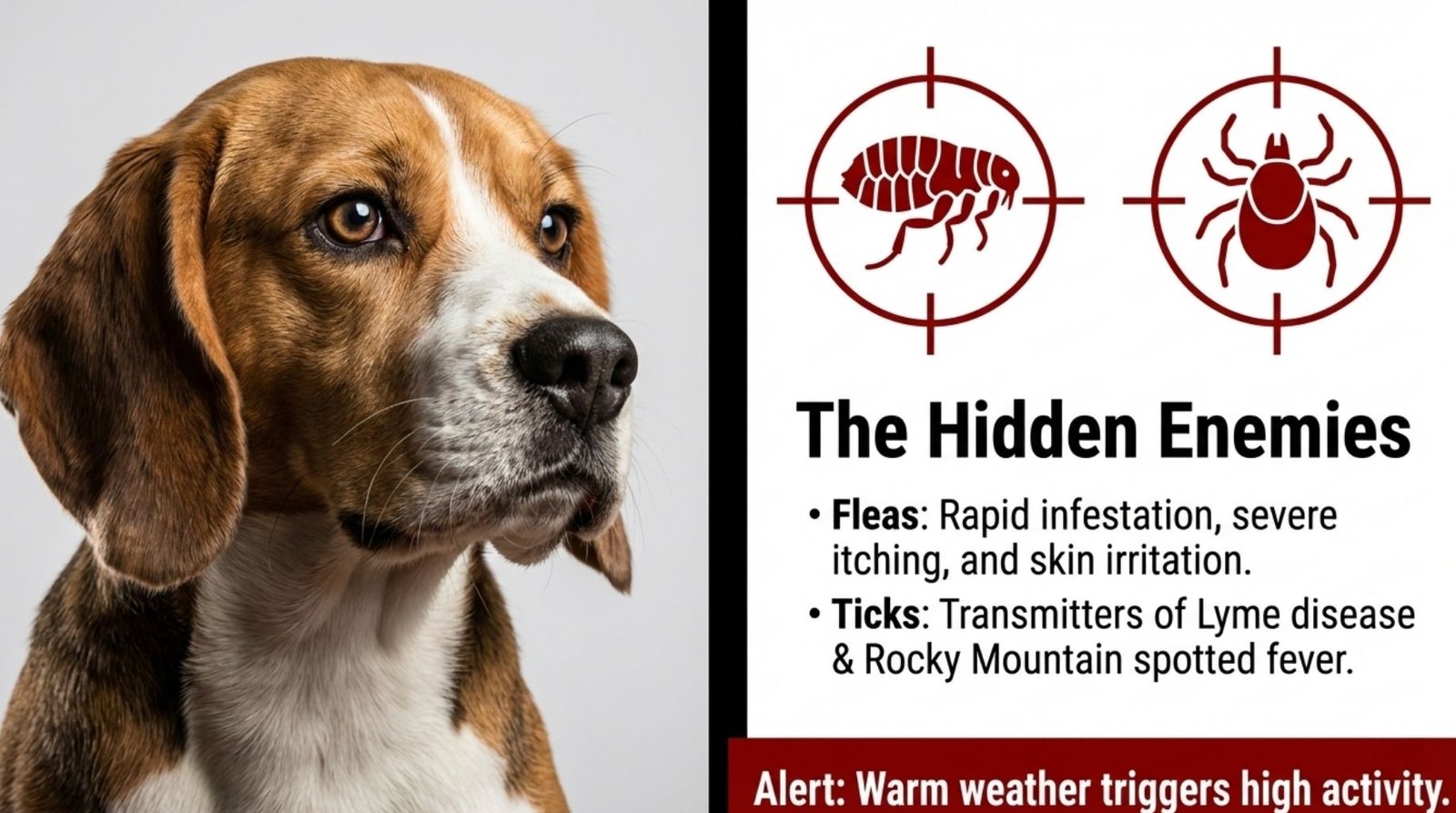
Fleas, for instance, can result in incessant itching and skin irritation, while ticks can transmit diseases such as Lyme disease and Rocky Mountain spotted fever. Recognizing these threats and knowing about flea and tick control for your dogs is essential for responsible pet ownership.
As dogs explore the outdoors, they are frequently exposed to grass, wooded areas, and other environments where these pests thrive. The thought of finding fleas or ticks on a beloved pet can evoke a strong emotional response from owners, ranging from distress to frustration. The immediate concern is for the health and well-being of the dog, compounded by the worry of a potential pest infestation in the home environment.
The presence of fleas and ticks is particularly distressing since they can quickly multiply, leading to a larger problem if not addressed promptly. Dog owners must remain vigilant during the warmer months when these pests are most active. Performing regular checks and employing preventive measures are crucial steps in ensuring a pest-free experience for dogs.
Awareness of the issue and the implementation of effective control strategies play critical roles in protecting our canine friends from these unwelcome invaders. In understanding both the emotional impact on owners and the biological nature of these pests, we can better appreciate the importance of proactive flea and tick management.
Why Prevention Matters: The Benefits of Flea and Tick Control for Dogs
Prevention plays a critical role in maintaining the health and well-being of dogs, particularly concerning the control of fleas and ticks. These external parasites are notorious for transmitting a variety of diseases that can affect both pets and humans.
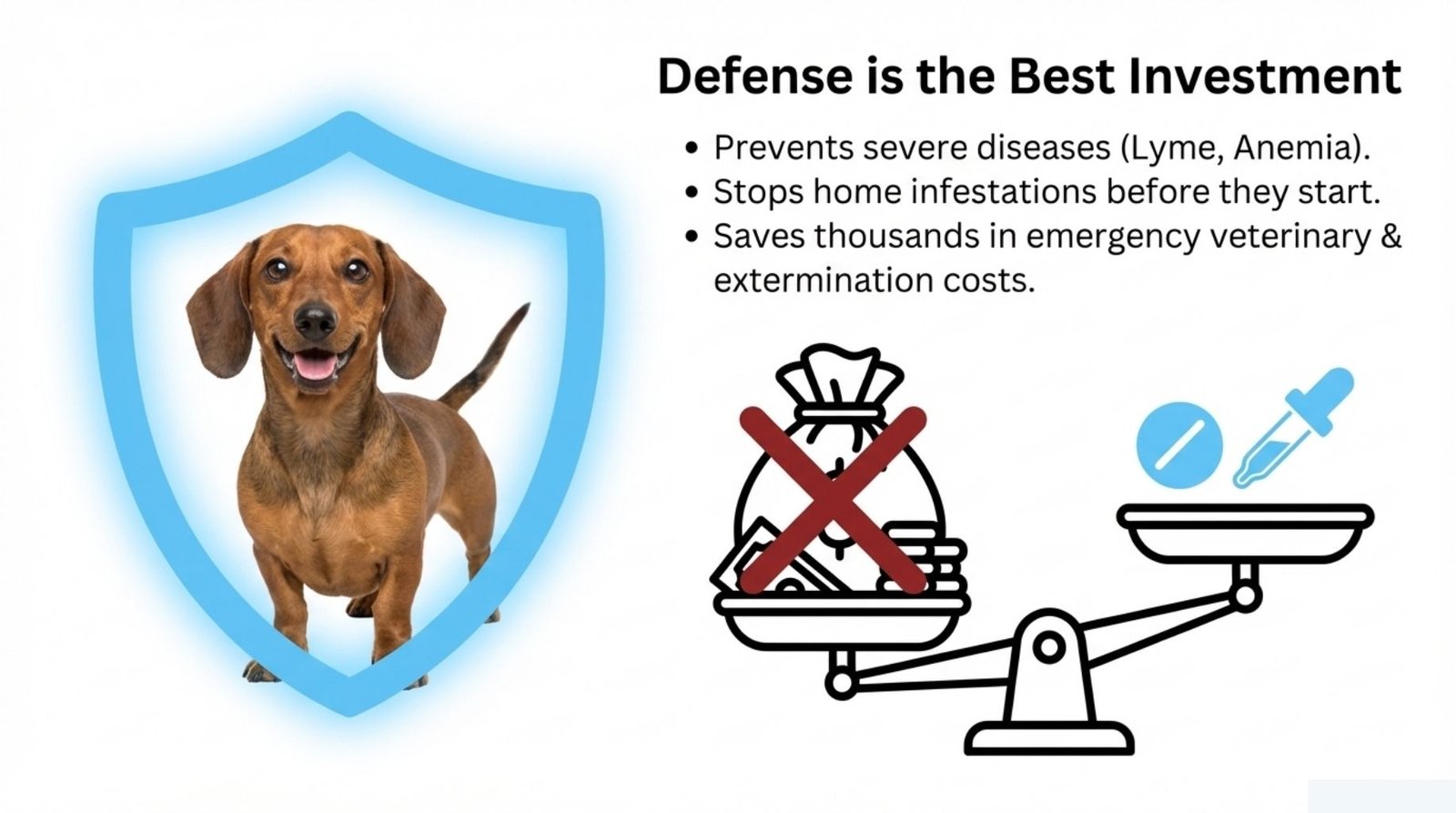
One of the most significant concerns associated with tick infestations is Lyme disease, which can lead to severe health complications if left untreated. In addition, fleas can cause anemia in dogs, particularly in younger and more vulnerable animals. This can result in significant health issues that necessitate expensive veterinary care.
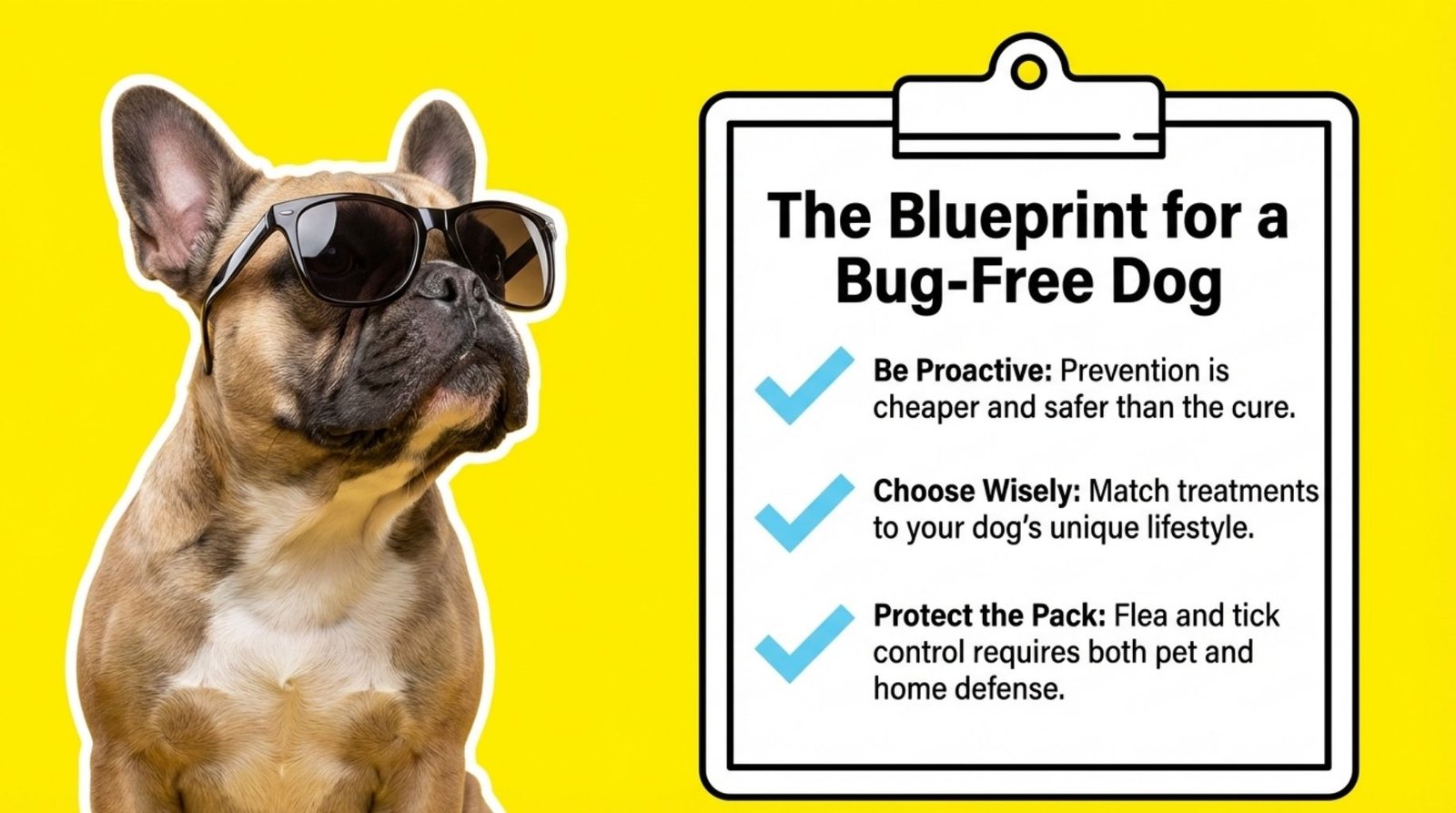
Moreover, implementing proactive flea and tick control not only protects your dogs but also safeguards your home. A small number of fleas or ticks can rapidly multiply, leading to widespread infestations that are difficult and costly to eradicate.
Regularly treating your pet with preventative measures can drastically reduce the risk of these pests infiltrating your living space, which can save pet owners the time and effort associated with dealing with infestations.
Financially, the advantages of flea and tick control for prevention are substantial to you and your dogs. The cost of routine preventative treatments is minimal when evaluated against the potential expenses associated with emergency veterinary visits, additional treatments for pest-related illnesses, or home extermination services. By investing in a consistent flea and tick control regimen, pet owners can avoid unexpected financial burdens while ensuring the health to their dogs is prioritized.
In summary, the importance of prevention cannot be overstated. By effectively controlling flea and tick populations, pet owners enable themselves to avert serious health issues, maintain a pest-free environment, and significantly reduce overall veterinary costs. Thus, a proactive approach to flea and tick management emerges not only as a practical choice but also as a wise investment in the long-term health of one’s pet.
Main Treatment Types: Oral Chews vs. Topical Solutions
When it comes to control the flea and tick population in dogs, pet owners often find themselves choosing between oral chews and topical solutions. Understanding the differences in effectiveness, duration of action, and application methods is essential for selecting the right treatment for your canine companion.
Oral chews are a popular choice for many dog owners due to their ease of administration and rapid action. These chews typically begin working within a few hours, quickly killing any existing fleas and ticks.
Additionally, they provide systemic protection by distributing the active ingredients throughout the bloodstream, which ensures effective elimination of pests that may bite. The duration of action for oral treatments usually ranges from one month to three months, depending on the specific product and dosage.
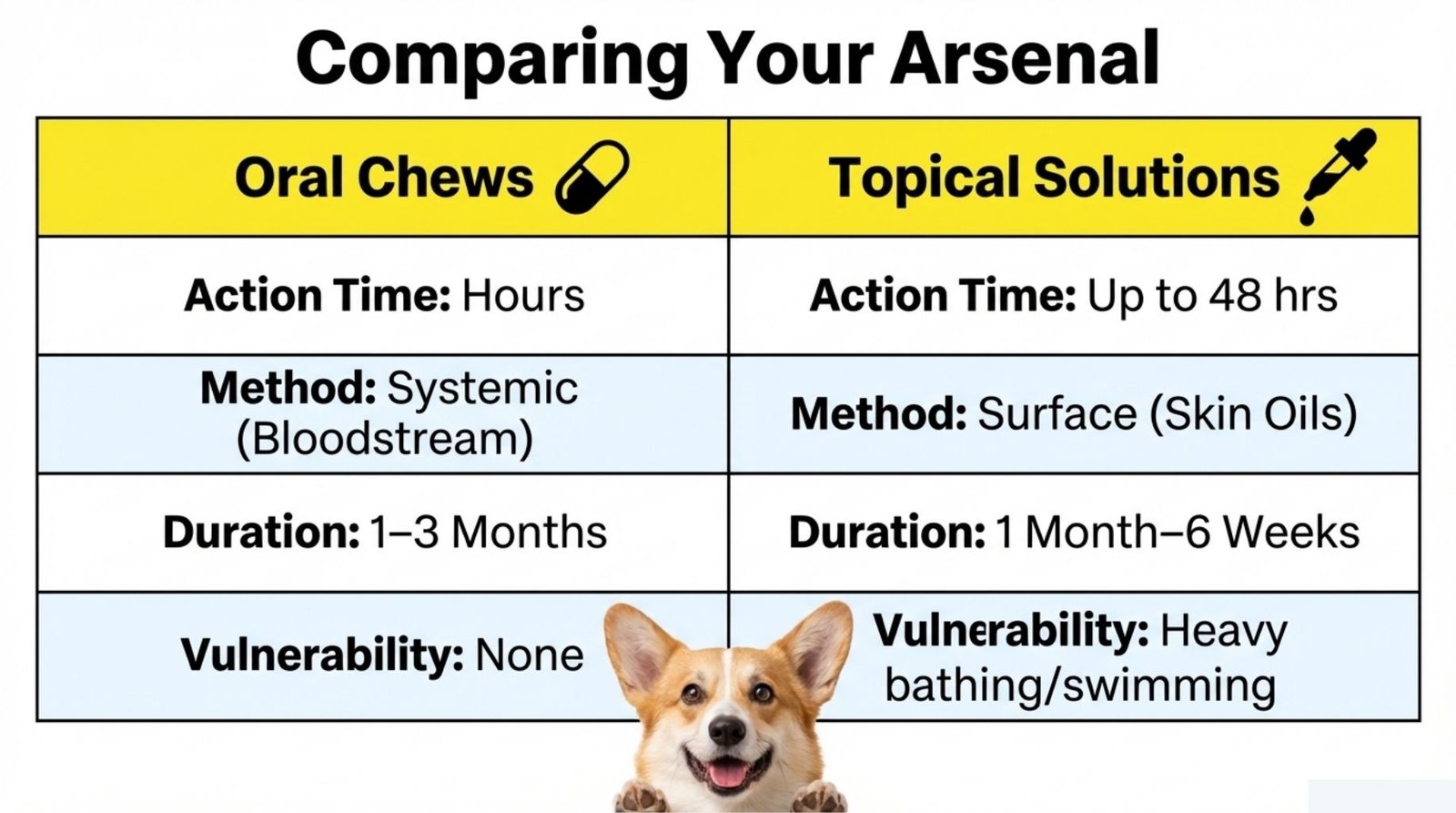
On the other hand, topical solutions are applied directly onto the dog’s skin, usually between the shoulder blades, where they spread through the skin’s natural oils. These treatments may take longer to show results, sometimes up to 48 hours, and their effectiveness can vary based on the dog’s activity level and the environment.
Topical solutions often offer similar duration of action as oral chews, with most providing protection for between one month and six weeks. However, certain conditions, such as bathing or swimming, may reduce the effectiveness of these treatments if they wash away the ingredients.
What To Consider When Choosing Flea and Tick Control Ingredients for Dogs?
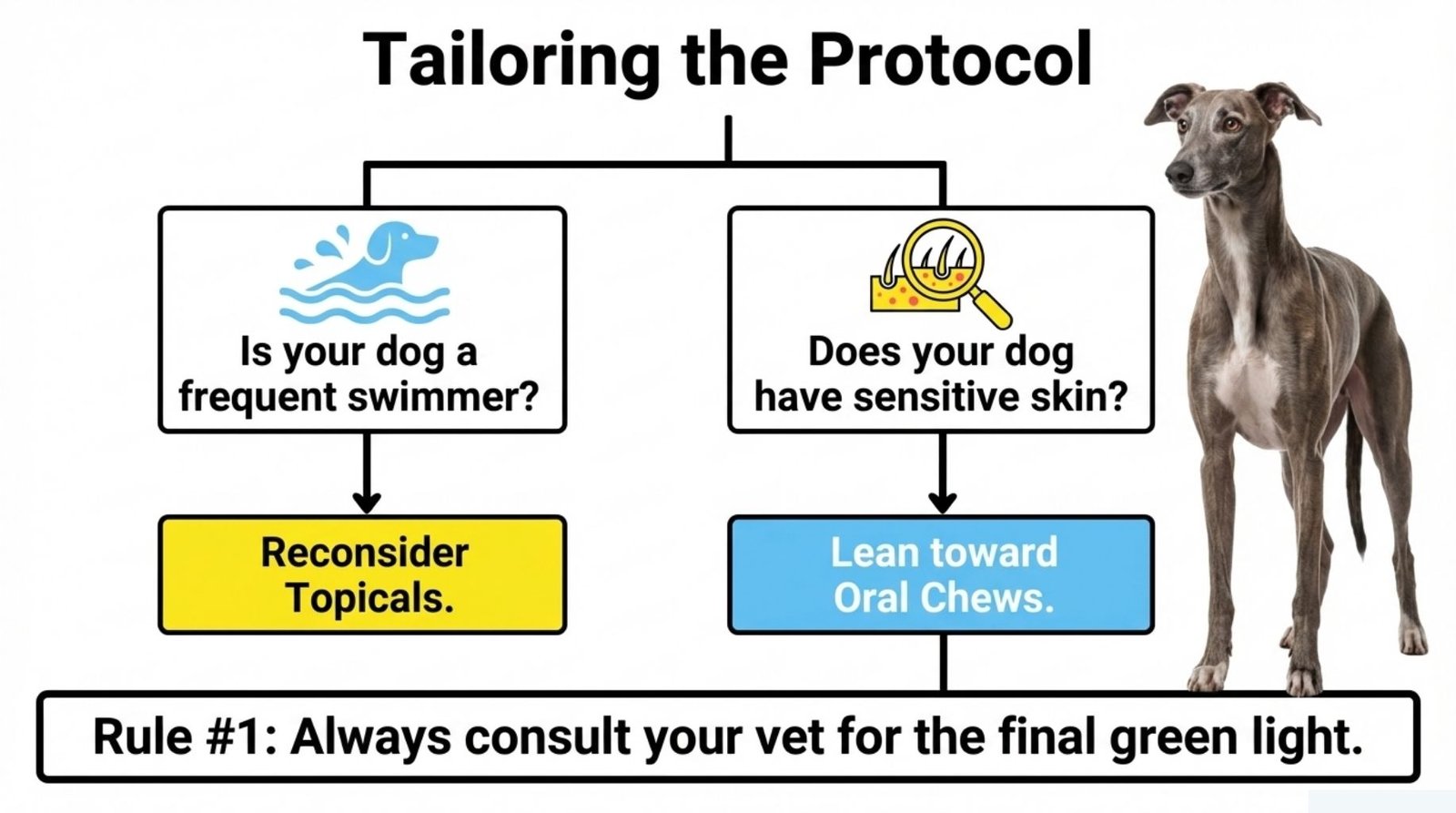
In choosing the best option, consider factors such as your dog’s health, lifestyle, and any known sensitivities to specific ingredients. For instance, if your dog is a swimmer or enjoys frequent baths, topical treatments may require more frequent application or an alternative solution might be preferred.
Conversely, oral chews may be a better fit for dogs that are resistant to topical applications or have sensitive skin. Ultimately, it is advisable to consult with a veterinarian to identify the most effective flea and tick control method for your dogs, ensuring the best possible prevention and care.
Important Safety Tips for Pet Owners
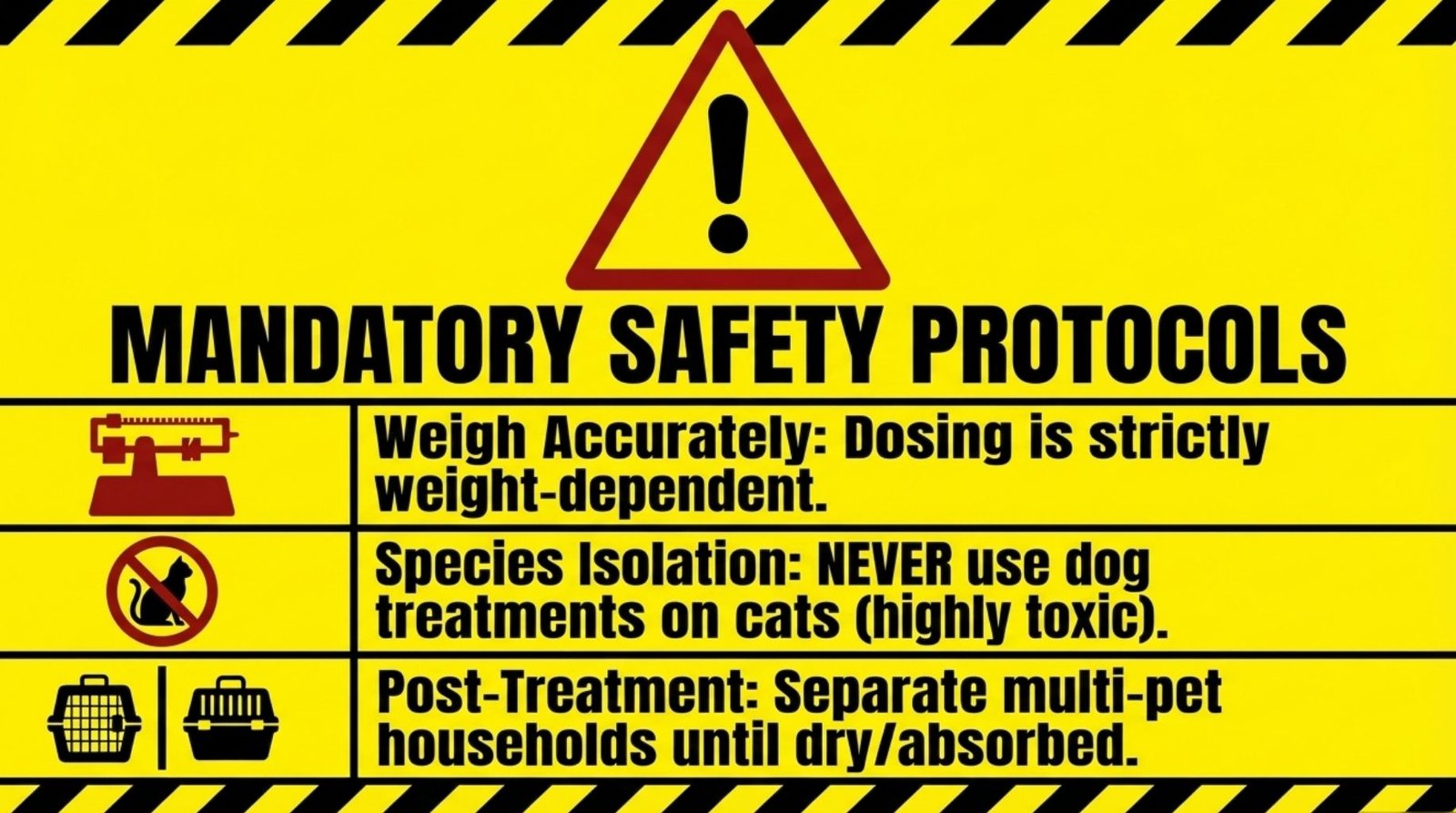
When it comes to administering flea and tick treatments, safety should be a top priority for pet owners. Understanding proper dosing guidelines based on your dog’s weight is crucial to ensure effective and safe treatment.
Always consult the product label to confirm that the dosage aligns perfectly with your dog’s current weight. If there are any discrepancies or uncertainties regarding your pet’s weight, it is advisable to consult with your veterinarian before proceeding with treatment. This is particularly important as incorrect dosing can lead to adverse reactions or insufficient pest control.
Moreover, pet owners should be extremely cautious about using products that are specifically formulated for dogs on other animals, particularly cats. Many flea and tick control treatments designed for dogs contain ingredients that can be toxic to felines.
Cases of accidental poisoning can occur if dog products are used on cats, leading to severe health complications. Therefore, ensuring that each pet receives the appropriate treatment designated for its species is essential for their safety.
Additionally, after treating your dogs with flea or tick medication for control, it is highly recommended to keep treated pets separated from other animals. This is particularly important for multi-pet households to ensure that the treatment has the maximum efficacy. Such precautions not only increase the effectiveness of the flea and tick control measures but also mitigate the risk of any adverse reactions between dogs.
In summary, adhering to these essential safety tips will facilitate effective flea and tick control while safeguarding the health and well-being of your dogs. By ensuring correct dosing, using species-specific products, and maintaining a controlled environment post-treatment, pet owners can successfully manage pest problems in their homes.

Latest Science: Innovations in Flea and Tick Prevention and Control for Healthy Dogs
The field of flea and tick prevention has seen significant scientific advancements in recent years, particularly in the development of new short-acting oral medications that provide extended efficacy. These innovative treatments offer a promising alternative to traditional long-lasting options, allowing for more flexible dosing schedules based on pet owners’ lifestyles and their pets’ specific needs.
Recent studies indicate that these short-acting formulations not only provide effective protection against fleas and ticks but also have a rapid onset of action. One major advantage is the ability to tailor treatments to the individual dog, especially for those pets that have adverse reactions to conventional solutions.
Moreover, this flexibility allows pet owners to coordinate treatments more conveniently with their pets’ activities, enhancing the overall effectiveness of prevention strategies. Additionally, researchers have been investigating the role of environmental factors on the effectiveness of topical treatments.
A startling finding has been the revelation that exposure to water, once thought to reduce the efficacy of topical flea and tick control for dogs preventatives, actually does not negate their protection as significantly as previously believed. This insight encourages pet owners to continue the use of topical treatments, even in dogs that frequently engage in water activities, thereby ensuring unwavering protection against these pests.
Advancements are not limited to medications alone; there has also been a surge in the development of experimental vaccines targeting fleas and ticks. These vaccines aim to provide long-lasting immunity, potentially altering the way we approach prevention in veterinary medicine.
Collectively, these innovations highlight a paradigm shift in flea and tick management, incorporating both pharmacological and immunological strategies to safeguard our canine companions against these pests.
Environmental Impact: Understanding the Broader Consequences
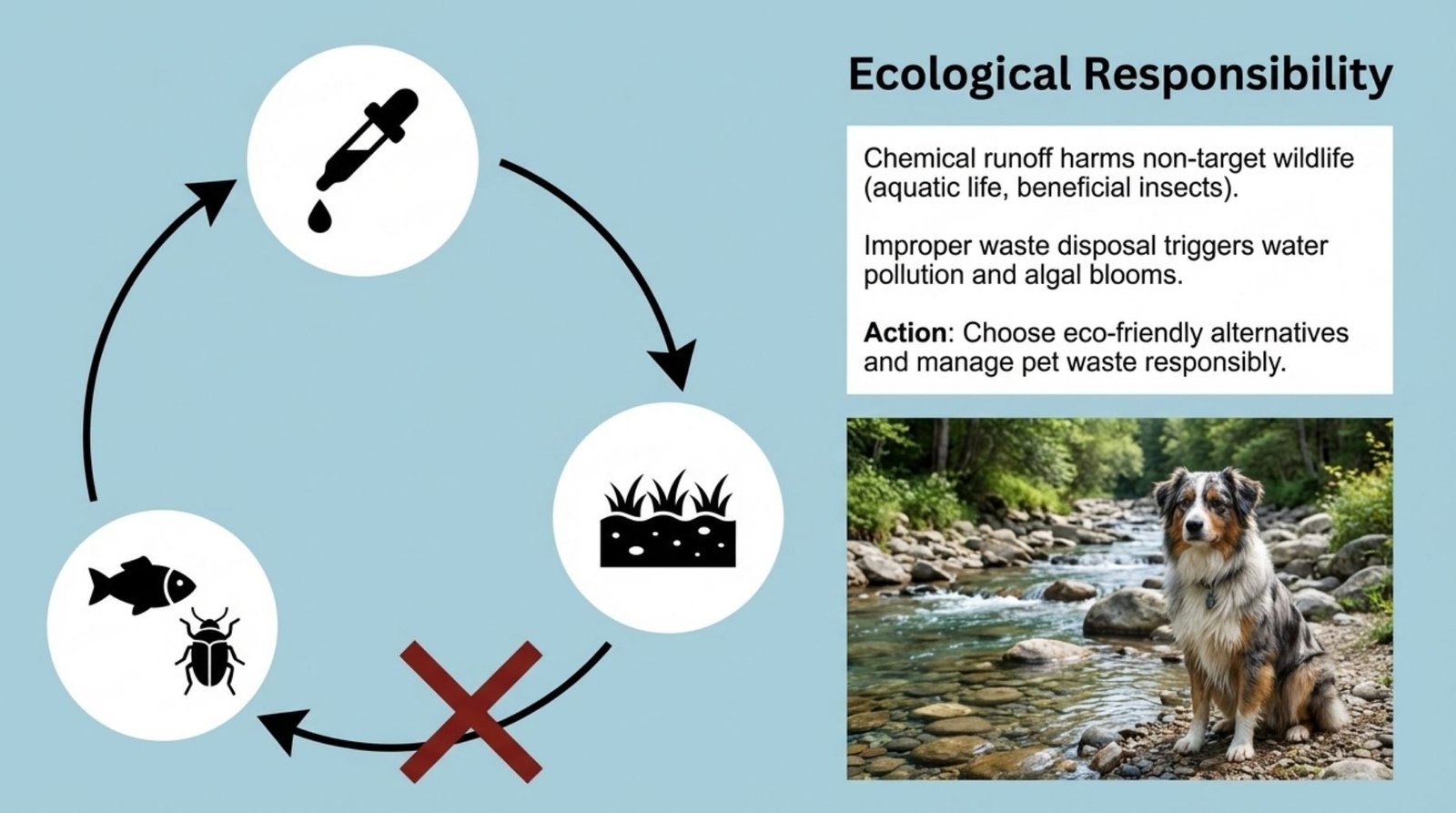
The use of flea and tick medications is vital for the health of dogs, but it also raises significant ecological concerns. These products, while effective at protecting pets, can have unintended consequences for local wildlife.
For instance, chemicals found in some flea and tick treatments can seep into the soil and water, potentially harming non-target organisms such as dung beetles and various aquatic creatures. Such species play crucial roles in the ecosystem, contributing to nutrient cycling and soil health. The disturbance caused by these chemicals can lead to a decline in their populations, which in turn affects broader ecological relationships.
Moreover, the disposal of pet waste can further exacerbate these environmental challenges. Pet owners must recognize that waste not only contains harmful pathogens, but when left unattended or disposed of improperly, it can become a source of pollution.
This can lead to nutrient runoff, resulting in algal blooms in local water bodies that deplete oxygen levels and harm aquatic life. Therefore, responsible pet waste management is essential to mitigate these risks and protect the surrounding wildlife.
The integration of eco-friendly solutions in pest control is becoming increasingly important. Pet owners are encouraged to explore organic or less harmful alternatives to conventional products, which may have a reduced impact on the environment. Additionally, fostering awareness about the ecological implications of flea and tick medications can encourage responsible practices among pet owners.
Simple measures, such as regular and proper disposal of pet waste and choosing less toxic products, can make a significant difference. By considering the environmental consequences of our actions, we can help protect wildlife and create a healthier ecosystem for future generations.
Creating a Pest-Free Home Environment
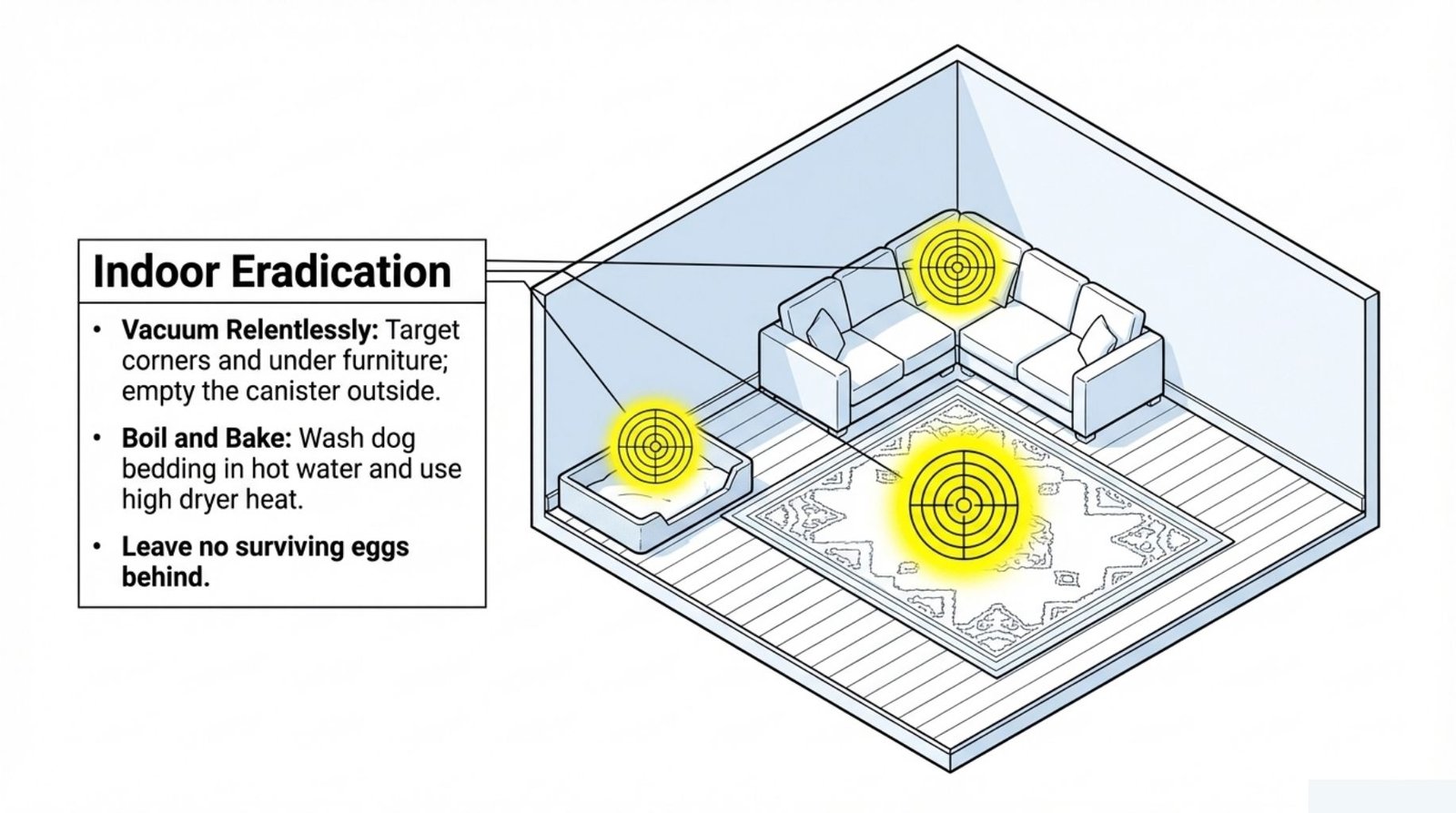
Maintaining a flea and tick-free environment within your home is essential for the health and comfort of your dog. Regular cleaning practices play a significant role in this process. Start by vacuuming carpets, rugs, and upholstery frequently.
Pay special attention to corners, under furniture, and areas where your dog spends a lot of time, as these spots can be hiding places for fleas and ticks. When vacuuming, be sure to dispose of the vacuum bag or empty the canister outside your home to prevent any pests from reinvesting your living space.
It is also advisable to wash your dog’s bedding, toys, and any fabric they often come into contact with on a regular basis. Utilize hot water for washing to eliminate pests and their eggs. Depending on the material, you might consider placing these items in the dryer afterward to kill any remaining fleas or ticks with heat.
Flea and Tick Control for Dogs with Essential Oils and Cleaning Preventive Strategies
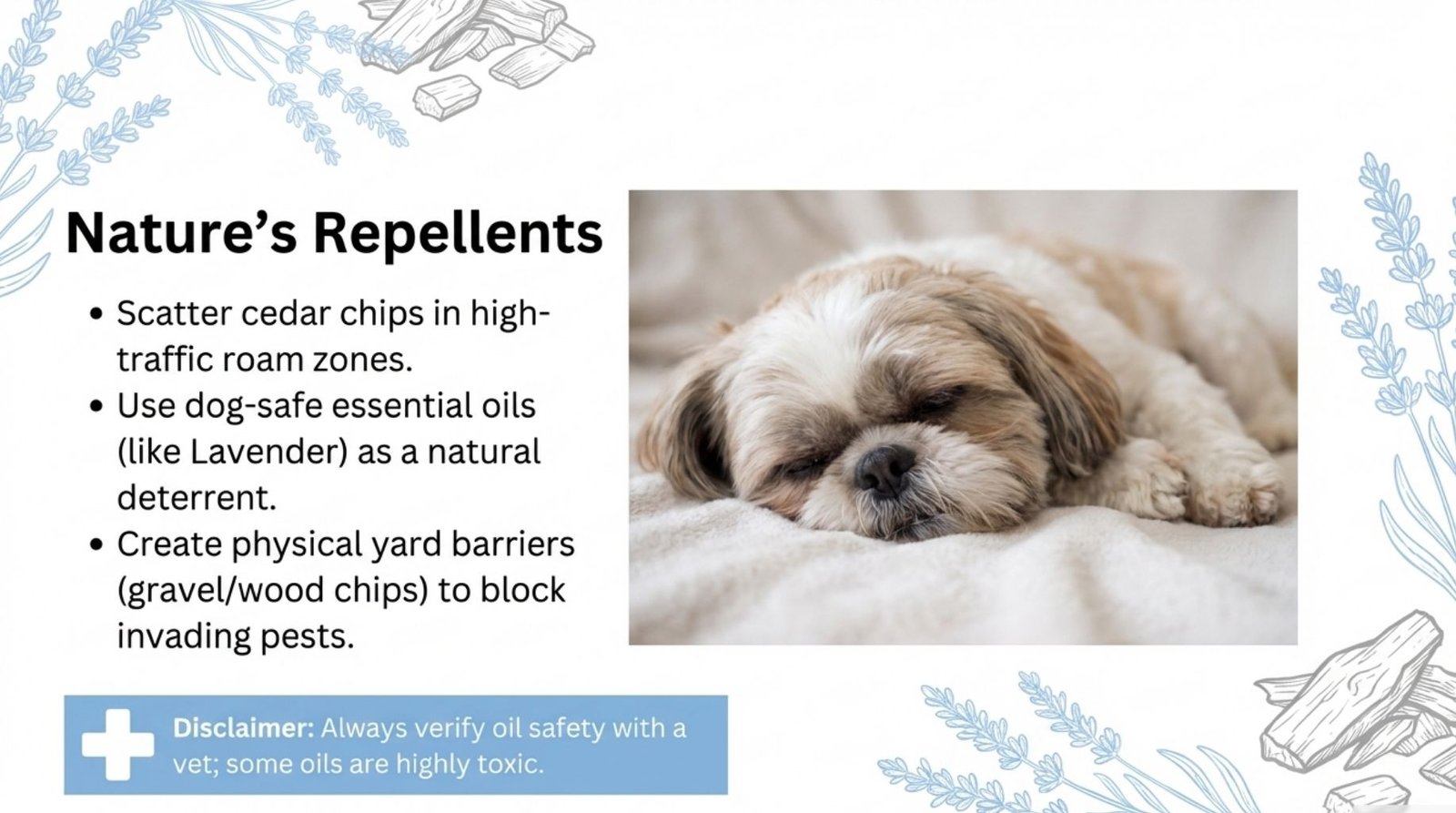
In addition to cleaning, consider the use of pest-repellent measures within your household. Natural repellents, such as cedar chips or essential oils like lavender, can deter fleas and ticks. For areas where your dog frequently roams, scatter cedar chips or establish a boundary of these natural materials. Always ensure that any oils used are safe for your dog, as some can be toxic.
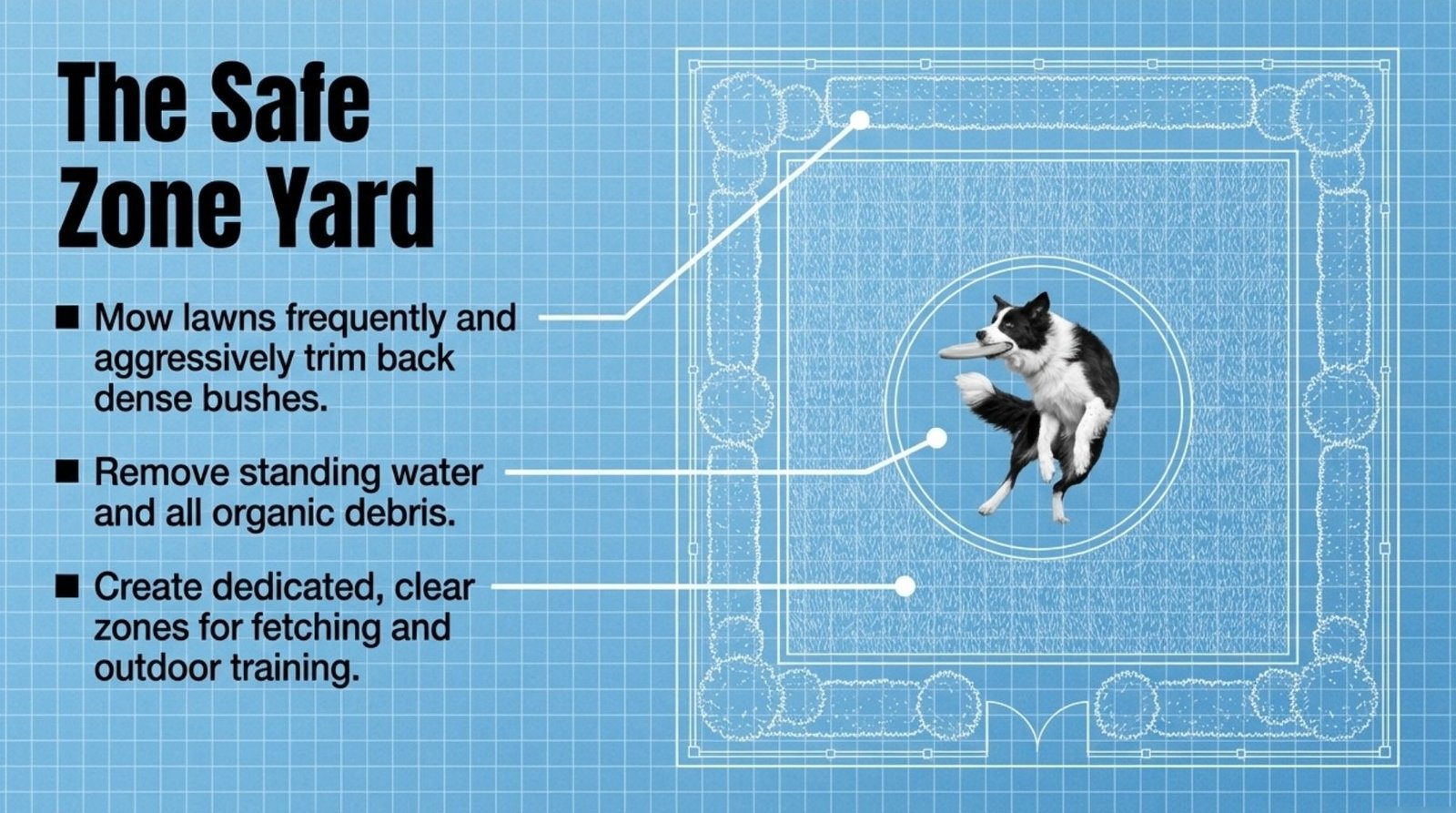
Furthermore, maintaining your yard is a crucial element in keeping fleas and ticks at bay. Regularly mow the lawn, trim back bushes, and eliminate standing water where these insects may breed. Creating a barrier of gravel or wood chips around your home can also help reduce the number of pests entering your living space.
Integrating these cleaning routines and preventive strategies not only complements any ongoing flea and tick control treatments but also fosters a safer and more pleasant environment for your dogs. By maintaining vigilance in your home and yard, you effectively decrease the likelihood of a flea and tick infestation.
Fun Activities to Enjoy: Spend Quality Time Without Worry
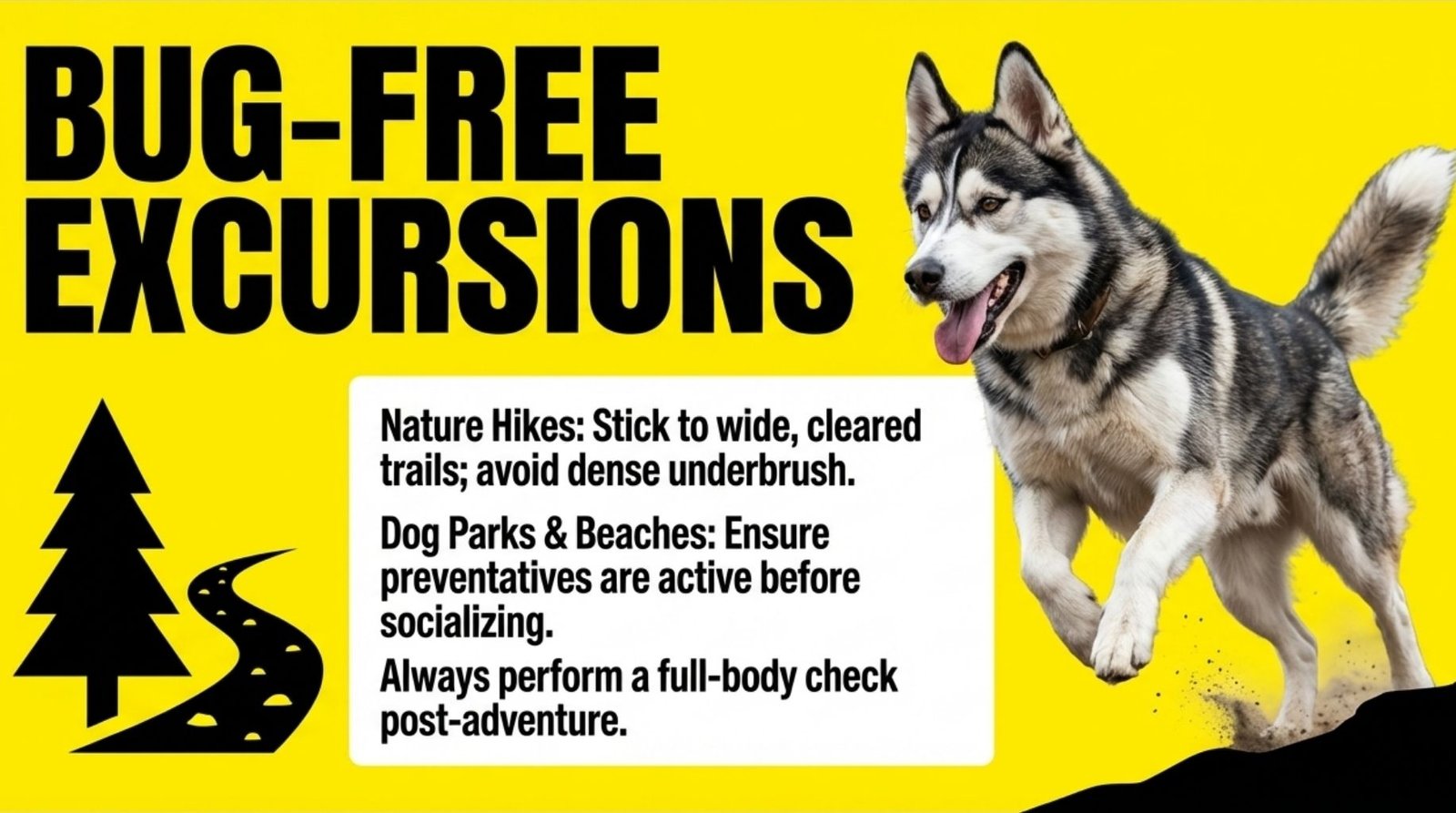
Engaging in outdoor activities with your dog is a wonderful way to strengthen your bond while promoting both physical and mental health. However, the concern of fleas and ticks can often deter pet owners from enjoying these precious moments outdoors. Here, we present several enjoyable activities that ensure a bug-free experience, allowing you and your furry friend to delight in quality time.
Firstly, consider going for a nature hike. Choose well-maintained trails that are less dense with underbrush, as this helps reduce the likelihood of encounters with fleas and ticks. Equip your pup with a tick preventative treatment beforehand for added protection, and ensure you check them after your hike for any unwanted passengers.
Secondly, many parks and beaches now have designated dog-friendly areas. These spaces not only allow your dog to explore freely but also provide an opportunity for socialization with other pups. Before heading out, make sure your dogs is up to date with flea and tick control for prevention to reduce the risk of exposure. Bring along a blanket, some water, and toys to create a perfect outdoor picnic with your pet.
Backyard Dog Games or Outdoor Training Activities
If you’re looking for a more leisurely day, plan a backyard playdate. Set up a safe zone in your yard where your pup can play fetch or enjoy other fun games without the fear of incoming pests. It is essential to maintain your yard regularly, as keeping your grass trimmed and removing debris can further diminish pest habitats.
In addition, engaging in training activities outdoors can be both productive and enjoyable. Incorporating training into your outdoor routine can stimulate your dog’s mind while strengthening their skills in a comfortable environment. Always ensure the flea and tick control for prevention is effective before your dogs start venturing outside.
By partaking in these activities, dog owners can confidently enjoy the great outdoors without the constant worry of pests. Quality time spent with pets not only fosters a deeper relationship but also contributes to their overall physical well-being.

A Happy, Itch-Free Life with Your Dog
Ensuring that your dog remains free from fleas and ticks is paramount for both their health and your peace of mind. These parasites not only cause discomfort and itching but can also lead to more serious health issues, such as Lyme disease and tapeworms. Effective flea and tick control is therefore essential in protecting your dogs and maintaining a happy household.
There are a variety of treatments available, ranging from topical solutions and oral medications to collars and environmental sprays. Consulting with a veterinarian can help you select the best option based on your dog’s age, size, and overall health. Effective prevention strategies also include regular grooming and cleaning of your dog’s bedding and living environment, as this can significantly reduce the risk of infestations.
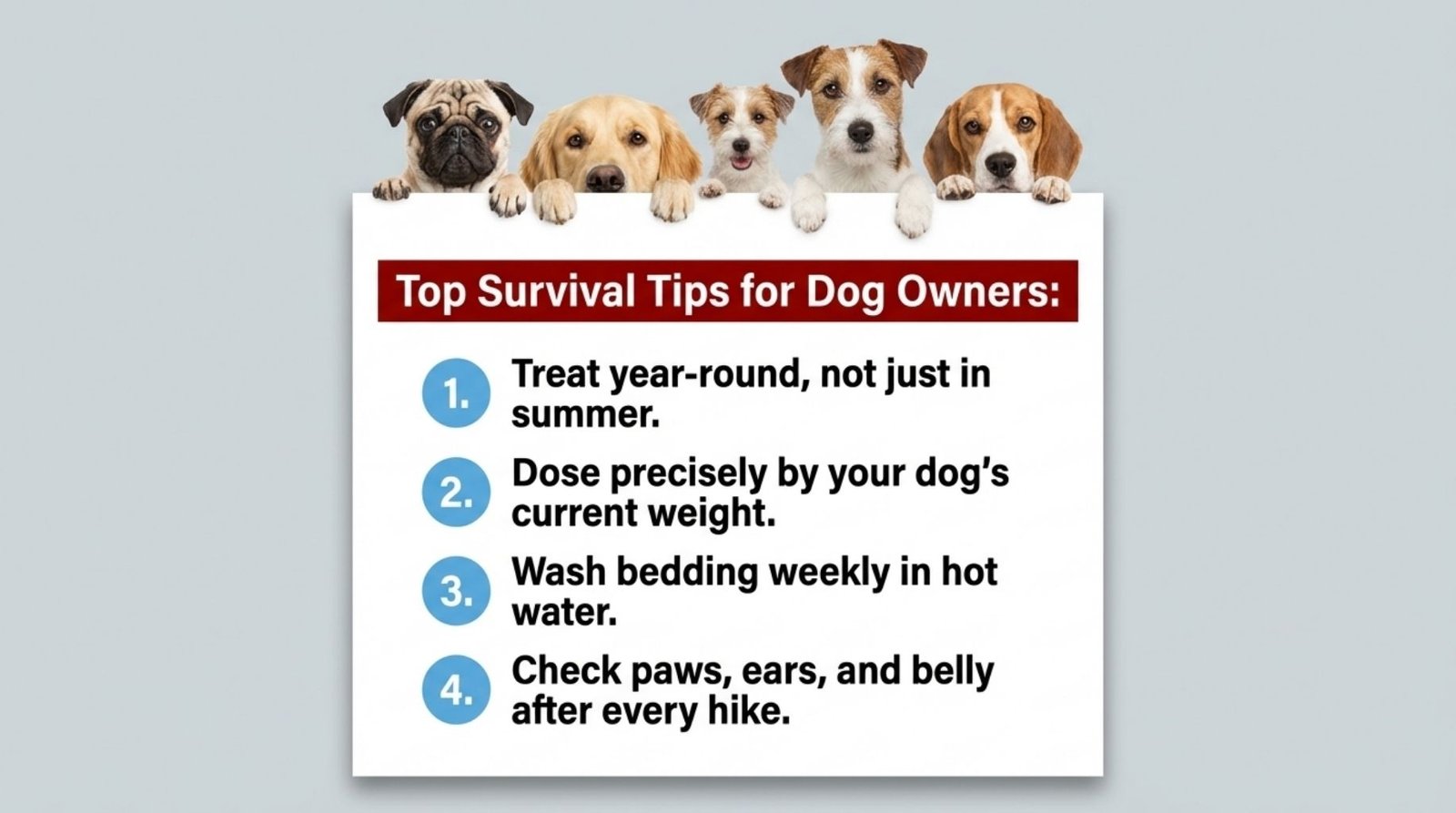
In addition to these treatments, it is important to keep safety measures in mind. Always follow the guidelines provided by your veterinarian or the product manufacturer to prevent any adverse effects on your dog’s health. Monitoring your pet for any signs of side effects after administering flea and tick medications is equally essential to ensure their well-being.
Ultimately, implementing these preventative steps and utilizing the available treatments leads to a healthier and itch-free life for your dog. A pest-free environment contributes to the overall happiness of your canine friend, enhancing the bond between you both. Investing time into flea and tick control not only promotes your dogs good health but also ensures that your home stays comfortable and peaceful, creating a harmonious atmosphere for the entire family.

Read More About Healthy Dog Habits!