





















Muscular Dystrophy in Dogs: Essential Guide for Pet Owners


Muscular dystrophy in dogs is a rare but serious genetic condition that affects muscle function and overall mobility. This progressive disease leads to muscle weakness, wasting, and, in severe cases, can impact a dog’s ability to walk or even breathe properly. While it’s not as commonly discussed as other dog health issues, understanding this condition is crucial for early detection and management.
Certain breeds, like Golden Retrievers and German Shepherds, are more predisposed due to inherited genetic mutations. By learning about the causes, symptoms, and treatments, pet owners can provide the best possible care for their furry companions.
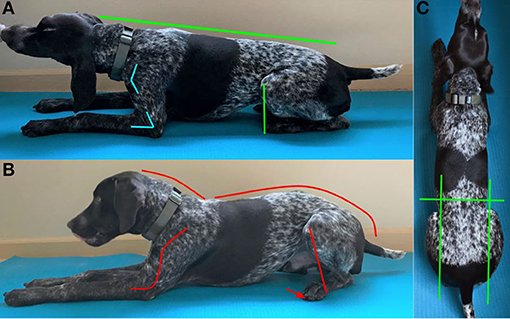
What Exactly Is Muscular Dystrophy In Dogs?
Muscular dystrophy in dogs is a group of genetic disorders characterized by progressive muscle degeneration and weakness. Unlike injuries or temporary muscle strains, this condition stems from a defect in the proteins needed for healthy muscle function. Over time, the muscles break down and are replaced with fibrous or fatty tissue, leading to decreased mobility.
Research shows that the most common form in dogs is similar to Duchenne muscular dystrophy in humans, caused by a mutation in the dystrophin gene. While there’s no cure yet, advancements in veterinary medicine offer ways to manage symptoms and improve quality of life.
How Does Muscular Dystrophy Affect the Daily Life of Dogs?
Dogs with muscular dystrophy often struggle with basic movements such as running, climbing stairs, or even standing up after lying down. Early signs might include an unusual gait, frequent stumbling, or difficulty keeping up during walks.
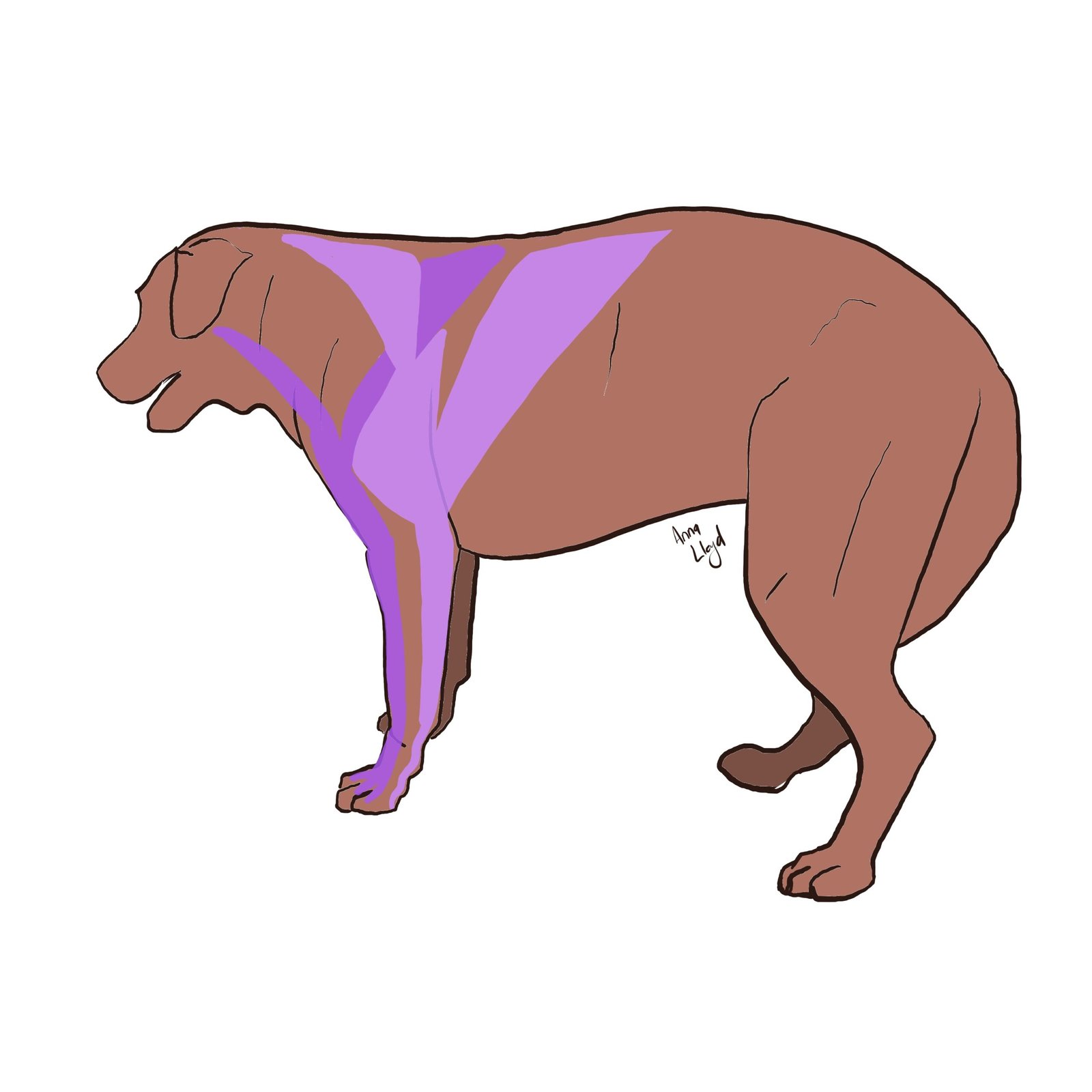
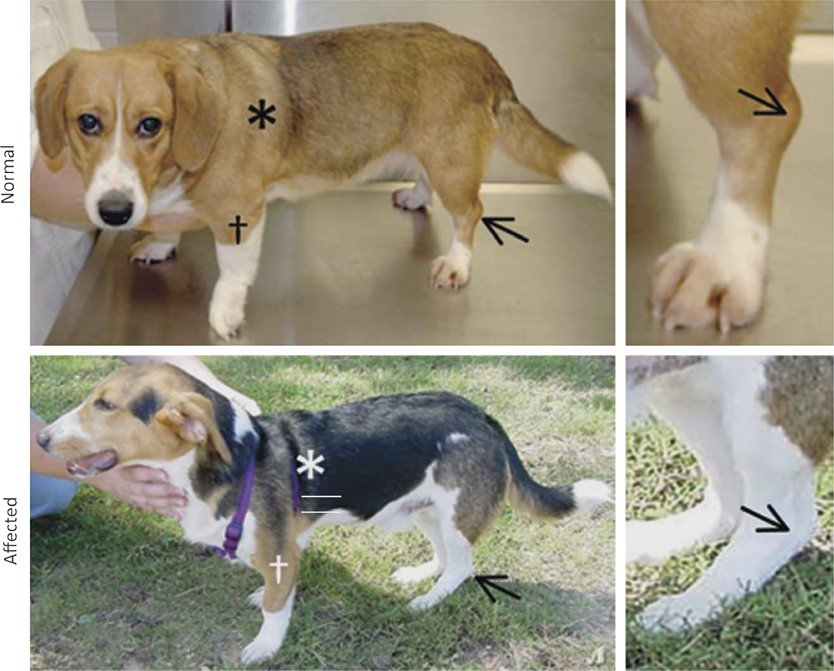
As the disease progresses, muscle wasting becomes more apparent, particularly around the shoulders and hind legs. Some dogs may develop a “bunny hopping” motion to compensate for weak hindquarters. In severe cases, swallowing and breathing can become labored, requiring immediate veterinary intervention.
Which Dog Breeds Are Most at Risk for Muscular Dystrophy?
While any dog can technically develop muscular dystrophy, certain breeds have a higher genetic predisposition. Golden Retrievers, German Shepherds, Rottweilers, and Irish Terriers are among the most commonly affected.
Studies have shown that male dogs are more likely to inherit the X-linked form of the disease, similar to the pattern seen in humans.
Breeders conducting genetic testing can help reduce the incidence by avoiding mating carriers of the defective gene. If you own a high-risk breed, staying vigilant for early symptoms can make a significant difference in long-term outcomes.
Can Muscular Dystrophy in Dogs Be Prevented?
Since muscular dystrophy is a genetic disorder, prevention largely revolves around responsible breeding practices. DNA testing is available for some breeds to identify carriers of the mutated gene.
Avoiding breeding two carrier dogs significantly reduces the risk of affected puppies. For pet owners, maintaining a healthy diet and moderate exercise routine can support muscle strength but won’t prevent the disease itself.
Early diagnosis through genetic screening allows for better management strategies before severe symptoms develop. While we can’t eliminate the risk entirely, awareness and proactive measures can help mitigate its impact.
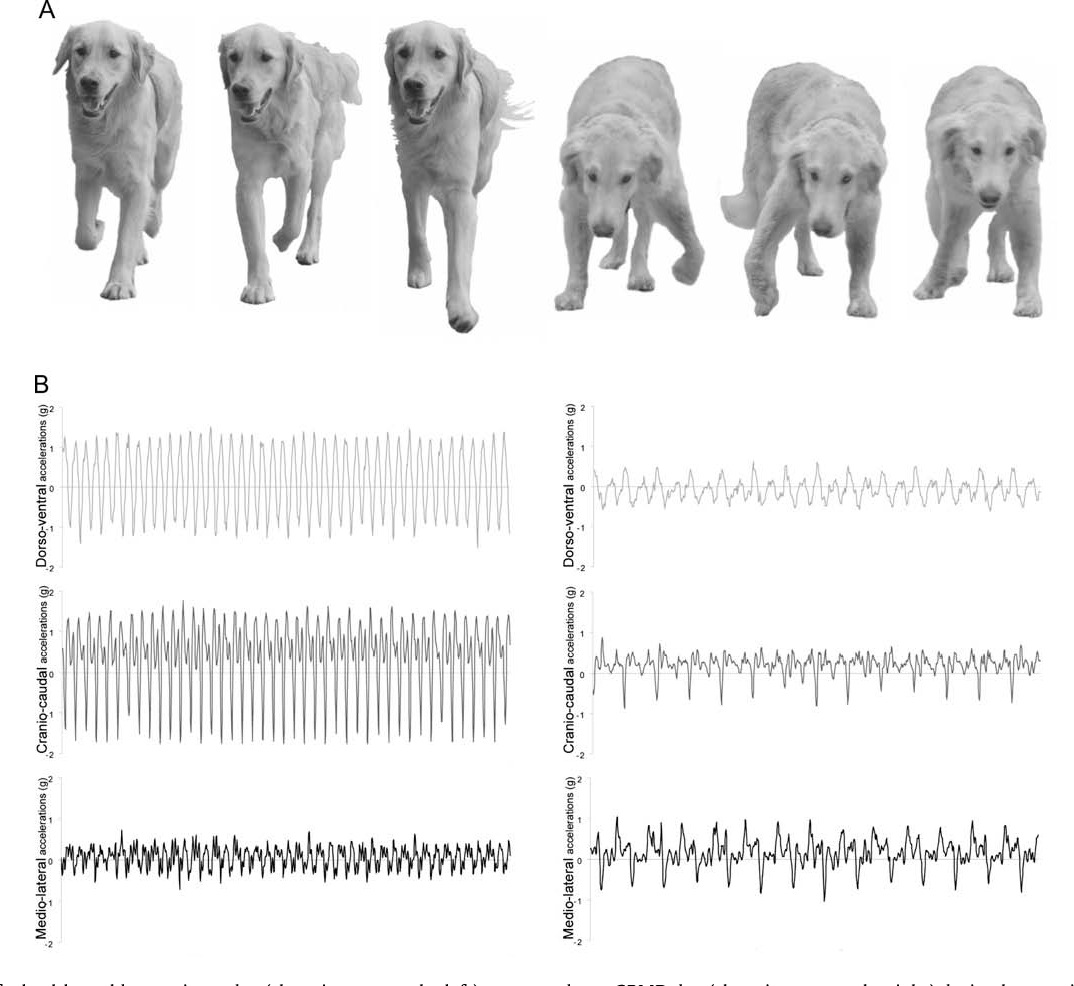
How to Recognize The Symptoms Of Muscular Dystrophy In Dogs?
Identifying muscular dystrophy in dogs early can drastically improve their quality of life through timely interventions. The first signs often include muscle stiffness, reluctance to exercise, and an awkward, wobbly walk.
Some dogs may appear lethargic or tire quickly during activities they once enjoyed.
As the muscles weaken, you might notice tremors, difficulty rising from a resting position, or even muscle spasms. In advanced stages, the jaw and throat muscles may weaken, leading to drooling or trouble eating.
Why Early Detection of Muscular Dystrophy in Dogs Matters?
Spotting muscular dystrophy’s subtle early symptoms can make a world of difference in managing the condition. Many owners first notice their puppy or young adult dog developing an unusual “bunny hop” gait in the hind legs, especially when running. Others report their formerly energetic companion tiring unusually quickly during play or walks. Some dogs show difficulty rising from rest, needing multiple attempts to stand up smoothly.
More concerning signs include muscle tremors after activity, excessive drooling (from weakened throat muscles), or even temporary collapsing episodes. What makes diagnosis tricky is how these symptoms often appear gradually, sometimes being mistaken for simple clumsiness or normal aging. That’s why persistent or worsening signs warrant veterinary attention. Catching the disease in its initial phases allows for better symptom management and slows progression.
Veterinarians can recommend physical therapy, dietary adjustments, and medications to support muscle function. Dogs diagnosed early often maintain mobility longer than those with late-stage detection. Additionally, knowing your dog’s condition helps tailor their environment, such as adding ramps or orthopedic beds to reduce strain. Early intervention can also prevent secondary complications like joint pain or respiratory infections.
How Veterinarians Diagnose Muscular Dystrophy in Dogs?
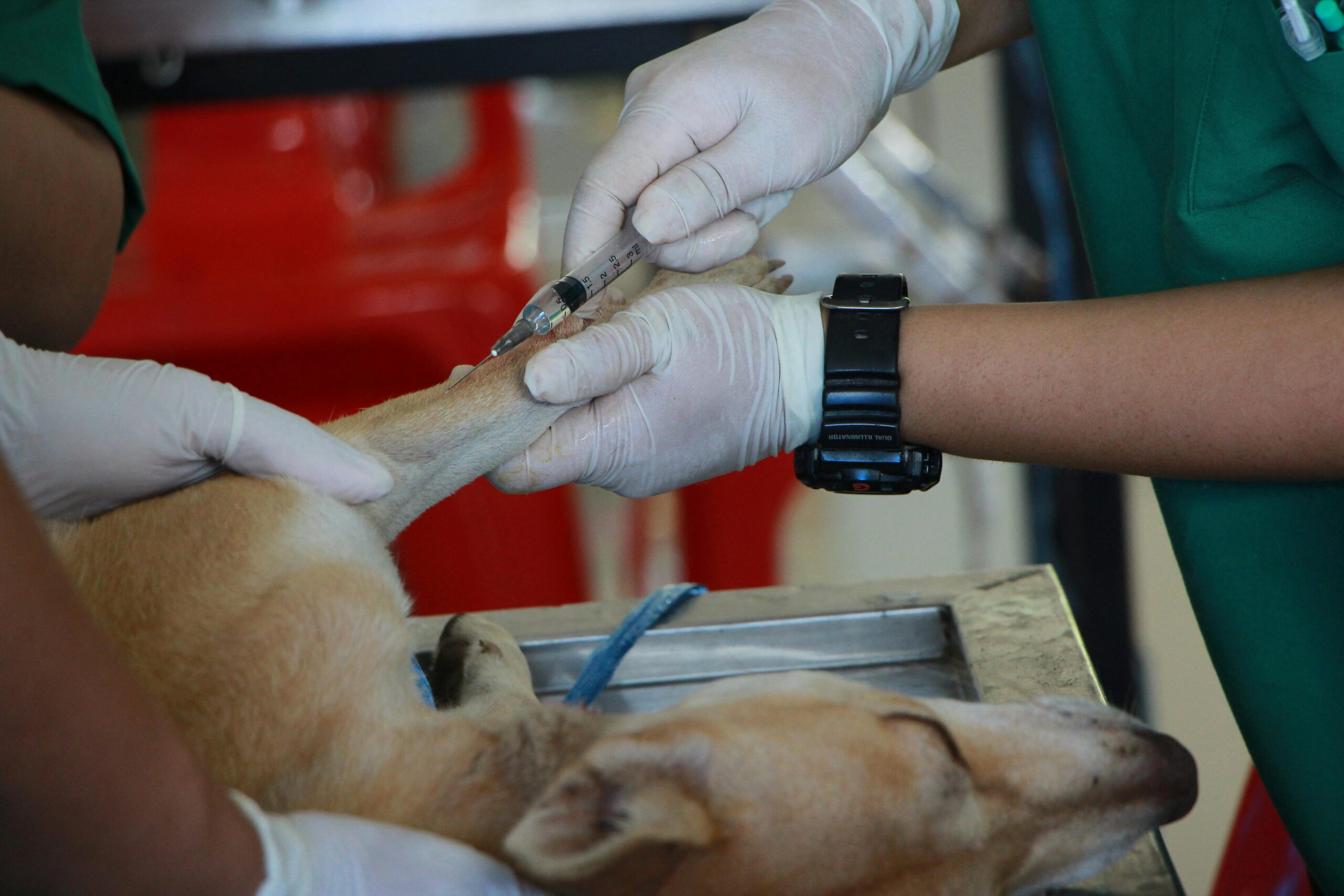
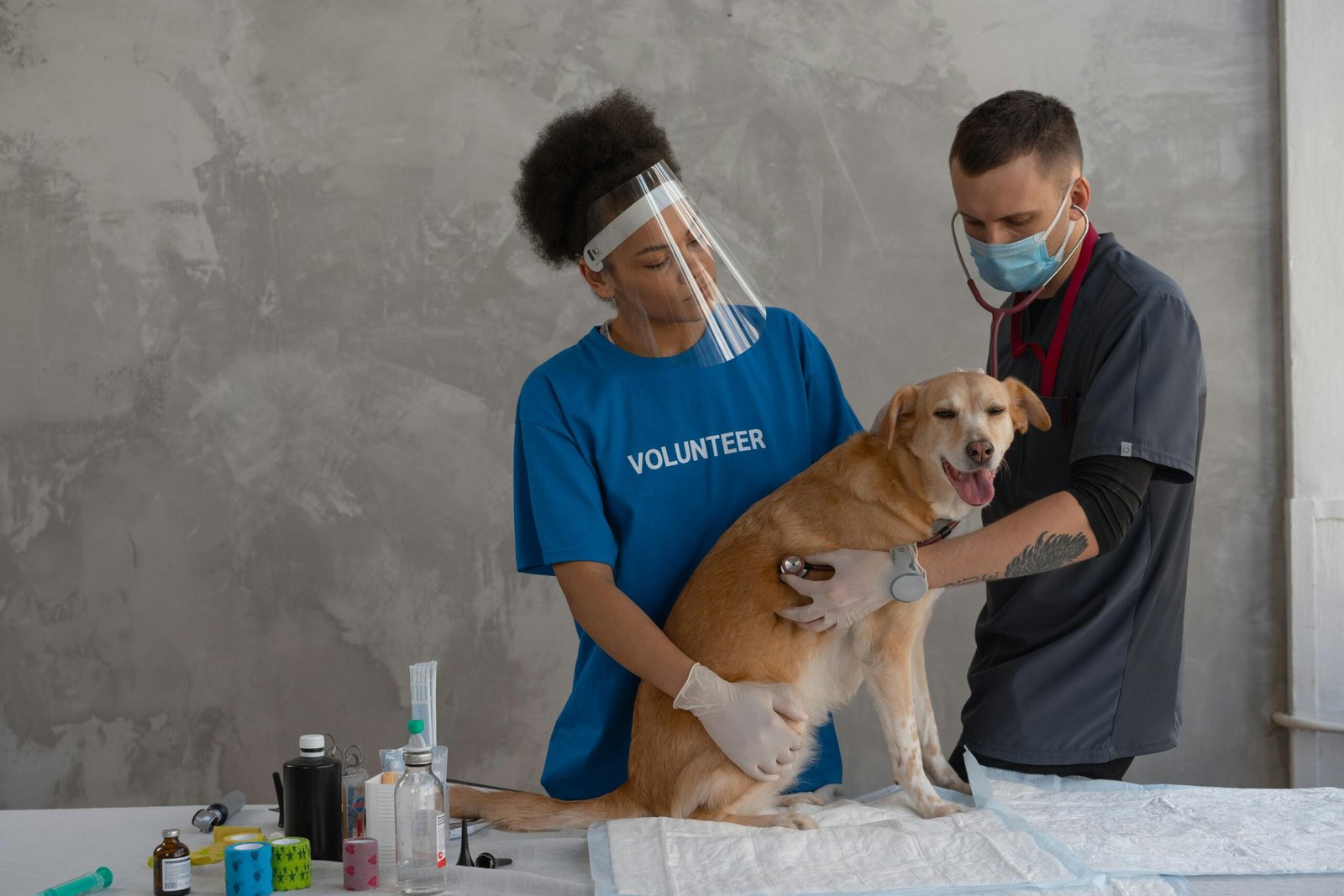
Diagnosing muscular dystrophy involves a combination of physical exams, blood tests, and genetic screening. Elevated levels of creatine kinase (CK) in the blood often indicate muscle damage. Electromyography (EMG) can assess electrical activity in the muscles, while muscle biopsies provide definitive confirmation. Advanced imaging like MRI may also be used to evaluate muscle degeneration. Genetic testing is particularly useful for breeders to identify carriers before breeding.
Confirming muscular dystrophy requires a multi-step diagnostic approach since its symptoms overlap with numerous other conditions. Veterinarians typically begin with blood tests to check for elevated creatine kinase (CK) levels – a telltale marker of ongoing muscle damage. They may recommend electromyography (EMG) to assess electrical activity in the muscles, which often shows characteristic abnormalities in affected dogs.
The gold standard remains a muscle biopsy, where a small sample reveals the distinctive pattern of muscle degeneration and scarring under a microscope. For certain breeds, genetic testing can identify known mutations, especially useful for breeding programs. Advanced imaging like MRI provides detailed views of muscle deterioration patterns. This thorough process helps rule out similar conditions like degenerative myelopathy or inflammatory myopathies.
Common Misdiagnoses: What Conditions Mimic Muscular Dystrophy in Dogs
Several other health issues can resemble muscular dystrophy, leading to potential misdiagnosis. Arthritis, spinal cord injuries, and neurological disorders like degenerative myelopathy share similar symptoms.
Autoimmune diseases such as myositis also cause muscle weakness and inflammation. A thorough veterinary workup is essential to rule out these conditions. Misdiagnosis can delay proper treatment, so seeking a specialist’s opinion is advisable if symptoms persist.
Treatment Options For Muscular Dystrophy In Dogs
While there’s no cure for muscular dystrophy in dogs, various treatments can alleviate symptoms and enhance comfort. Veterinarians often prescribe anti-inflammatory medications to reduce muscle pain and stiffness.
Physical therapy, including hydrotherapy, helps maintain muscle tone without excessive strain. Some studies suggest supplements like coenzyme Q10 and omega-3 fatty acids may support muscle health. In severe cases, mobility aids like harnesses or wheelchairs can help dogs remain active.
Future Possibilities and Innovative Research on Muscular Dystrophy in Dogs
While no cure yet exists for canine muscular dystrophy, today’s treatment arsenal offers meaningful ways to slow progression and maintain quality of life. Anti-inflammatory medications like prednisone help reduce muscle damage and discomfort, though long-term use requires careful monitoring. Physical therapy, particularly hydrotherapy in underwater treadmills, allows dogs to exercise without joint stress.
Many veterinarians recommend targeted supplements like coenzyme Q10, omega-3 fatty acids, and L-carnitine to support muscle metabolism. For advanced cases, mobility aids ranging from supportive harnesses to custom wheelchairs can restore independence. Perhaps most exciting are emerging therapies like gene editing and stem cell treatments currently in clinical trials, offering glimpses of a future where we might halt or even reverse this condition.
Exciting advancements in gene therapy offer hope for future treatments. Researchers are exploring techniques to replace or repair the defective dystrophin gene in affected dogs. Stem cell therapy is another promising avenue, with studies showing potential in regenerating damaged muscle tissue. While these treatments are still experimental, early results are encouraging. Clinical trials in veterinary medicine may pave the way for breakthroughs that could eventually benefit both dogs and humans.
Daily Care Strategies For Affected Dogs with Muscular Dystrophy
Living with a dog with muscular dystrophy requires thoughtful home modifications and routine adjustments. Non-slip flooring becomes essential to prevent falls, with yoga mats or rubber-backed rugs providing secure traction. Raised food and water bowls reduce neck strain during meals, while orthopedic beds support weakening joints.
Smart exercise management means shorter, more frequent walks rather than marathon sessions, always watching for fatigue signs. Many owners create “rest stations” around the house with comfy bedding so their dog never has to go far to lie down.
Mental stimulation becomes increasingly important as physical abilities decline – puzzle toys, scent games, and gentle training sessions keep minds sharp. Perhaps most crucially, maintaining predictable routines helps dogs feel secure as their bodies change.
The Role of Physical Therapy, Holistic Approaches and Diet in Managing Muscular Dystrophy in Dogs
Physical therapy plays a crucial role in slowing muscle deterioration and improving mobility. Low-impact exercises like swimming are excellent for maintaining strength without stressing joints. Stretching routines can prevent contractures, where muscles become permanently shortened.
Massage therapy increases blood flow, reducing stiffness and discomfort. Customized rehab plans, designed by veterinary physiotherapists, ensure exercises are safe and effective. Consistent therapy sessions can significantly enhance a dog’s quality of life. A balanced diet rich in high-quality protein supports muscle maintenance in dogs with muscular dystrophy.
Supplements like L-carnitine and vitamin E may aid in muscle function and reduce oxidative stress. Some owners report improvements with CBD oil for pain and inflammation management. Always consult a vet before introducing new supplements to avoid interactions. While holistic methods aren’t a cure, they can complement traditional treatments effectively.
Living With A Dog Diagnosed With Muscular Dystrophy
Caring for a dog with muscular dystrophy requires patience, adaptability, and lots of love. Adjusting your home environment, such as adding non-slip rugs and ramps can prevent falls. Regular, gentle exercise helps maintain mobility without overexertion. Emotional support is equally important; these dogs may become frustrated as their abilities decline.
Connecting with support groups or online communities can provide valuable advice and encouragement. Despite challenges, many dogs with this condition live happy, fulfilling lives with the right care.
Nutritional Considerations and Supplementation
Diet plays a surprisingly significant role in managing muscular dystrophy symptoms. High-quality protein sources help maintain existing muscle mass, while controlled calorie intake prevents obesity that would stress weakened muscles. Many veterinarians recommend adding omega-3 fatty acids (from fish oil or algae) to reduce inflammatory damage to muscle tissue.
Antioxidants like vitamin E may help combat oxidative stress contributing to muscle degeneration. Some dogs benefit from medium-chain triglycerides (MCTs) found in coconut oil, which provide alternative energy for struggling muscles.
For dogs with swallowing difficulties, moistening kibble or switching to soft foods prevents choking. Always consult your vet before making dietary changes, as individual needs vary significantly based on disease progression and other health factors.
How to Modify Your Home and When to Consider Mobility Aids?
Creating a safe space is essential for dogs with limited mobility. Orthopedic beds reduce pressure on joints, while raised food bowls make eating easier. Baby gates can block off stairs or hazardous areas where slipping might occur.
If your dog struggles with movement, a doggy wheelchair can restore independence. Small changes, like keeping water bowls on every floor, prevent unnecessary strain. If walking becomes too difficult, mobility aids like harnesses, slings, or carts can be lifesavers.
Many dogs adapt quickly to wheelchairs, regaining their zest for exploration. Custom-fitted devices ensure comfort and proper support. Regular vet check-ups help determine the right time to introduce these tools. With the right aid, even severely affected dogs can enjoy walks and playtime.
Emotional Support: Keeping Your Dog Happy and Engaged
Dogs with muscular dystrophy may experience anxiety or depression due to physical limitations. Interactive toys, scent games, and puzzle feeders keep their minds active. Gentle play sessions tailored to their abilities prevent frustration. Positive reinforcement training builds confidence, even if commands are simple. Most importantly, showering them with affection reassures them they’re still cherished.
The emotional toll of muscular dystrophy affects both dogs and their human families. Affected dogs may show frustration when they can no longer perform familiar activities, requiring patient retraining using positive reinforcement. Owners often grieve the loss of their dog’s former abilities while adjusting to new ways of interacting. Support groups (both online and local) provide invaluable spaces to share practical tips and emotional support.
Many owners find comfort in focusing on what their dog can still enjoy – whether it’s car rides, gentle grooming sessions, or simply cuddling together. Celebrating small victories becomes crucial, whether it’s standing unaided for a few extra seconds or mastering a new way to play. This journey, while challenging, often deepens the human-animal bond in unexpected ways.
Making Quality-of-Life Decisions
As muscular dystrophy progresses, owners face difficult decisions about their dog’s care. Quality-of-life assessments should consider multiple factors:
Can the dog still enjoy favorite activities?
Is pain well-managed?
Can they eat, drink, and eliminate without distress?
Many veterinarians recommend the “HHHHHMM” scale (Hurt, Hunger, Hydration, Hygiene, Happiness, Mobility, More good days than bad) as an objective evaluation tool. Some owners create bucket lists of simple pleasures, a pup cup from the drive-thru, a visit to their favorite park, or extra snuggle time.
While euthanasia decisions are profoundly personal, the guiding principle remains preventing suffering rather than prolonging life at all costs. These choices, made with love and veterinary guidance, represent the final act of care for our canine companions.
The Future Of Muscular Dystrophy Treatment
Scientific advances are transforming our approach to canine muscular dystrophy at an unprecedented pace. Gene therapy trials have shown remarkable success in dogs, with some treated animals regaining near-normal muscle function for years.
CRISPR gene-editing technology offers potential for permanent corrections to the underlying genetic defect. Pharmaceutical companies are developing “exon-skipping” drugs that help muscle cells produce partially functional dystrophin.
Meanwhile, stem cell therapies are being refined to better target damaged muscle areas. These breakthroughs benefit both dogs and humans, as the canine form serves as the best natural model for studying human muscular dystrophies. For pet owners, this means hope that future generations of dogs may have access to treatments we can only imagine today.
How Pet Owners Can Contribute to Progress?
Concerned dog lovers have multiple ways to support muscular dystrophy research and care. Participating in clinical trials (available at many veterinary schools) provides crucial data while potentially accessing cutting-edge treatments.
Organizations like the Muscular Dystrophy Association welcome donations to fund ongoing research. Social media advocacy raises awareness about genetic testing and responsible breeding practices.
Even simply sharing your dog’s story helps build understanding of this condition. For those with affected breeding dogs, genetic counseling prevents passing the mutation to future litters. Every small action contributes to the larger fight against this challenging disorder.
A Journey of Love and Adaptation
Muscular dystrophy in dogs presents undeniable challenges, but it also reveals the incredible resilience of both canines and their human companions. With today’s management strategies and tomorrow’s promising therapies, affected dogs can enjoy meaningful quality of life.
The condition teaches us to celebrate small victories, adapt our expectations, and find new ways to connect. Most importantly, it reminds us that a dog’s worth isn’t measured by physical abilities, but by the unconditional love they bring to our lives.
As research advances and awareness grows, the future shines brighter for dogs facing this diagnosis and the families who adore them.
Final Thoughts
While muscular dystrophy in dogs presents challenges, ongoing research and compassionate care offer hope. Early diagnosis, innovative treatments, and lifestyle adjustments can significantly improve outcomes. By staying informed and proactive, pet owners can ensure their dogs live comfortably and joyfully. The bond between a dog and their human remains unshaken, no matter the obstacles. Together, we can make every moment count.